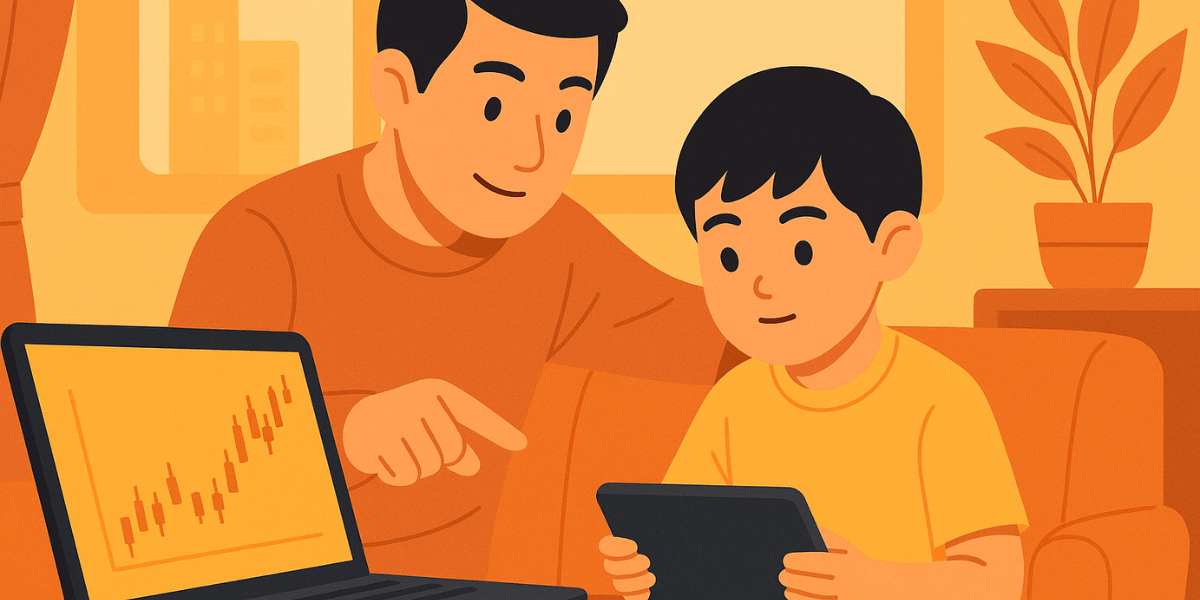
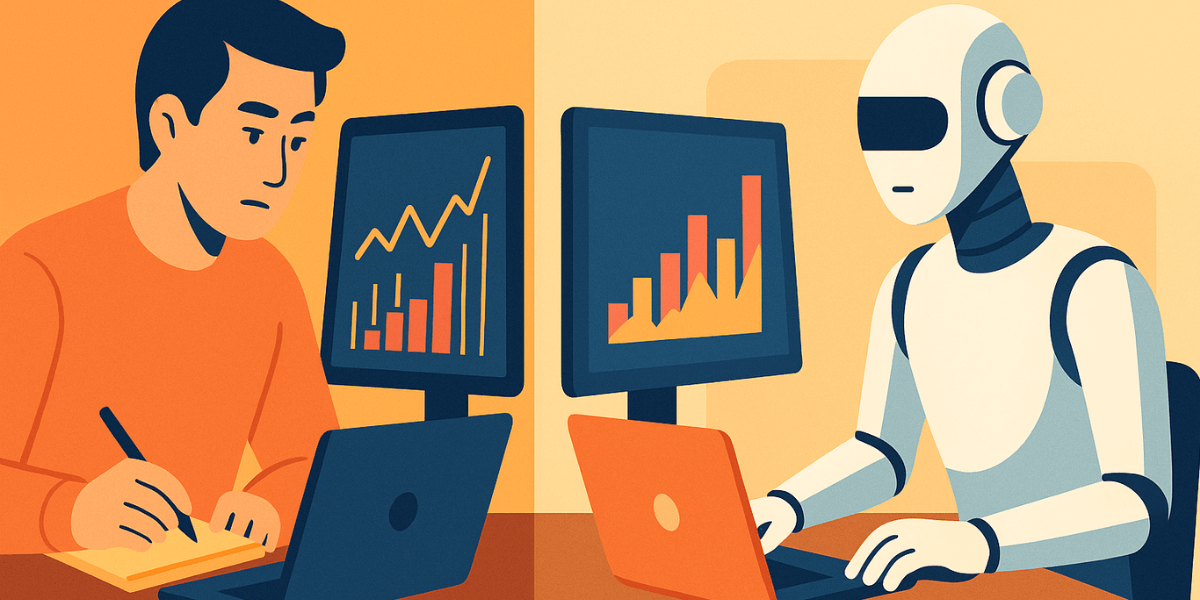
In Southeast Asia, a profound generational shift is reshaping the way young people trade financial markets. Gen Z traders—born between the late 1990s and early 2010s—are rejecting the multi-screen, desk-bound aesthetic traditionally associated with trading. Instead, they are embracing something far more mobile, flexible, and personal: tablet-based trading. Across Singapore, Malaysia, Indonesia, Thailand, and the Philippines, the sight of a young trader using an iPad or Android tablet to analyze charts has become increasingly common. Whether inside study cafés, university libraries, coworking spaces, or even while commuting on metro lines, tablet trading has grown from a niche behavior to a defining characteristic of Gen Z’s market footprint.
This evolution represents more than a technological preference—it reflects the distinct values, habits, and cultural rhythms of Southeast Asia’s youngest trading generation. Tablets provide freedom, minimalism, portability, and the kind of aesthetic-enabled productivity that resonates deeply with Gen Z. Rather than anchoring themselves to a fixed workstation, these traders carry their entire trading ecosystem in a lightweight device they can use anywhere. Understanding why tablet-based trading has exploded across the region requires examining technology trends, psychological comfort, financial accessibility, and the cultural behaviors unique to Southeast Asia.
Why Tablets Fit the Gen Z Trading Identity
For Gen Z in Southeast Asia, trading is not about replicating the old-school image of Wall Street brokers with multiple monitors. It is about efficiency, fluidity, and lifestyle integration. This generation is characterized by mobility: they study on tablets, work on tablets, consume content on tablets, and increasingly manage their finances on them. Trading fits naturally into this ecosystem.
1. Mobility Is Not a Luxury—It Is the Norm
Gen Z lives on the move. Many do not have dedicated home offices. A tablet becomes the perfect solution: powerful enough for analysis, portable enough for commuting, and sleek enough to use discreetly in cafés.
2. Aesthetic Minimalism Drives Motivation
For Gen Z, a clean interface contributes directly to motivation. Tablets offer a minimalist environment with fewer distractions, enabling a calmer trading approach that aligns with the region’s rising “quiet trading” culture.
3. Touch-Based Interaction Enhances Learning
Drawing trendlines, marking zones, adjusting indicators—all feel more intuitive when done with gestures or a stylus. This makes technical analysis more natural, especially for visual learners.
4. Lower Barriers and Higher Comfort
Most Gen Z traders owned tablets before they ever opened a trading account. Entering the trading world through a familiar device reduces intimidation.
5. Social Trading Culture on the Go
Gen Z follows trading communities, Telegram channels, TikTok analysts, and Discord groups. Tablets make it easy to switch between content consumption, charting, and order placement in a single workflow.
In short, tablets feel like an extension of Gen Z’s identity—fluid, digital, aesthetic, and mobile.
The Technological Advantage: Why Tablets Are Now Trading-Ready
A decade ago, smartphone and tablet trading was limited by weak processors, low resolution, and laggy chart experiences. The new generation of devices changed everything.
1. High-Resolution Screens & Superior Color Accuracy
iPads and modern Android tablets offer brilliant screens that make chart reading precise and comfortable.
2. Apple Pencil & Stylus Support
Stylus compatibility is a game-changer. Traders can draw support/resistance levels, supply-demand zones, harmonic patterns, and trendlines with the precision of pen and paper.
3. Desktop-Class Browsers and Apps
Modern tablets run nearly full versions of TradingView, MT5 Web, cTrader Web, and proprietary broker platforms.
4. Strong Battery Life for Long Sessions
Tablets can run 8–12 hours straight, ideal for full market sessions without needing outlet access.
5. Lightweight Portability for Study Cafés and Public Spaces
Tablets are easy to carry and use anywhere, aligning with Asia’s culture of cafés, coworking spaces, and flexible productivity areas.
Technological jumps made tablets not just suitable—but optimal for many Gen Z traders.
Country-by-Country Insight: Why Tablet Trading Is Spiking in Southeast Asia
Although Gen Z across Southeast Asia shares common characteristics, each country has unique cultural and economic reasons fueling the rise of tablet-based trading.
Singapore
Singaporean traders value efficiency, quiet workspaces, and clean aesthetics. Tablets perfectly match the study café culture and the transport-heavy lifestyle of young professionals. Many university students trade between lectures, often inside silent pods or coworking spaces equipped with high-speed Wi-Fi.
Malaysia
Malaysia’s Gen Z is highly active on social media trading communities. Tablet trading allows seamless switching between livestreams, TikTok analysis, and charting apps. Additionally, tablets offer a lower-cost alternative to building a full trading PC setup.
Indonesia
Indonesia has one of the youngest populations in Asia, with high mobile-first adoption. For many Indonesian traders, the tablet becomes both an educational and a trading tool. It is ideal for their multitasking lifestyle and flexible income strategies.
Thailand
Thai Gen Z is increasingly influenced by Japan and Korea’s minimalist productivity culture. Tablet-based trading aligns with the quiet, aesthetic “study vibe” environment that is extremely popular among students and young workers.
Philippines
The Philippines has a strong creator economy. Gen Z traders often combine trading with freelance digital work. Tablets allow them to manage trading positions while switching between design, writing, editing, and content creation.
The regional pattern is clear: tablets match the cultural, social, and economic rhythms of modern Southeast Asian youth.
How Tablet Trading Influences Trading Style
Tablets do not only change where Gen Z trades—they also change how they trade.
1. Higher Timeframes Become More Popular
Because tablets encourage a calm, minimal setup, young traders increasingly gravitate toward swing trading and daily/4H analysis.
2. Quiet Trading Over Hustle Trading
The lack of multiple screens reduces temptation to overtrade. Gen Z traders adopt structured routines.
3. More Discipline Through Fewer Distractions
Tablet environments limit the ability to multitask excessively, pushing traders toward cleaner strategy execution.
4. Increased Use of Journaling and Note-Taking Apps
Apps like Notability, GoodNotes, or Samsung Notes allow traders to annotate charts and write reflections—strengthening psychological discipline.
5. Greater Focus on Price Action Over Indicators
Tablet traders tend to rely on simple systems—clean charts, few indicators, and a strong focus on structure.
In effect, tablets promote the same trading philosophy Asia is shifting toward: quiet, intentional, and strategic.
Psychological Advantages of Tablet-Based Trading
Trading psychology plays a massive role in performance. Tablets create a mental state that helps young traders stay calm, focused, and disciplined.
1. Reduced Sensory Overload
Multiple screens produce overstimulation. Tablets promote clarity and simplicity.
2. Lower Dopamine Consumption
Without flashing notifications from a PC setup, traders experience less emotional swing.
3. More “Flow-State Friendly” Environments
Tablets pair naturally with quiet spaces—study cafés, libraries, and coworking pods—reinforcing concentration.
4. Less Ego, More Learning
The minimalist interface removes the performative aspect of trading. Gen Z traders focus on improvement, not hype.
5. Higher Emotional Stability
Touch-based interaction feels intuitive and soothing, easing stress during volatile sessions.
Where Tablet Trading Happens: The New “Mobile Trading Ecosystem”
Gen Z across Southeast Asia trades in dynamic environments shaped by culture and convenience.
- Study cafés (Korea/Japan-inspired silent environments)
- University reading rooms
- Coworking pods
- PC cafés with quiet zones
- Public transportation (especially MRT/LRT systems)
- Bedrooms with minimalist setups
- Beaches or outdoor cafés
Trading is no longer tied to a desk. It moves with them—everywhere.
The Tools Gen Z Uses for Tablet Trading
A combination of apps, platforms, and workflows makes tablet trading highly effective.
1. Multi-Platform Charting (TradingView, cTrader Web, MT5 Web)
These platforms run smoothly on tablets, offering full functionality.
2. Note-Taking Apps (GoodNotes, Notability)
Traders annotate charts and create digital journals.
3. Economic Calendars (Forex Factory, financial news apps)
Perfect for high-impact event tracking.
4. Risk Calculators & Position Size Tools
Especially popular with disciplined Gen Z traders.
5. Social Platforms (Telegram, Discord, Instagram)
Used for signals, community learning, and market discussions.
Advantages of Tablet-Based Trading
1. Portability
Trade anywhere—cafés, libraries, or parks.
2. Minimalism
Reduced clutter creates clearer decision-making.
3. Cost Efficiency
Cheaper than building a multi-monitor desktop setup.
4. Lower Barriers for Beginners
Most Gen Z users already own a tablet, reducing entry friction.
5. Ideal for Journaling and Note-Taking
Stylus integration makes analysis and reflection effortless.
6. Aligned With Gen Z Lifestyle
Tablet trading fits naturally with on-the-go living.
7. Promotes Quiet Trading
Environment reinforces discipline, patience, and strategy execution.
Disadvantages of Tablet-Based Trading
1. Limited Multi-Monitor Analysis
Swing traders adapt well, but scalpers may find it restrictive.
2. App Restrictions
Some broker platforms still favor desktops.
3. CPU Limitations for Heavy Quant Work
Backtesting large datasets is harder on tablets.
4. Screen Size Limitations
Large charts require zooming and scrolling.
5. Distraction Risk
Tablet notifications can interrupt flow if not managed.
Why This Trend Will Continue Growing
Several structural forces guarantee the continuation of tablet-based trading across Southeast Asia:
- Gen Z’s mobile-first lifestyle
- SEA’s growing café and coworking culture
- Increasing financial literacy
- Rise of “quiet trading” as a behavior
- Falling hardware costs
- Better trading apps optimized for touchscreens
- Shift toward long-term trading styles
Trading has become lifestyle-compatible. Tablets offer the perfect balance of tech, portability, and cognitive comfort.
Conclusion
The rise of tablet-based trading among Gen Z in Southeast Asia marks a fundamental shift in how the region’s youth approach financial markets. Trading is no longer a rigid, desk-bound activity—it is mobile, aesthetic, and seamlessly integrated into everyday life. Tablets offer the freedom, simplicity, and psychological clarity that align perfectly with modern trading habits.
As Southeast Asia continues to build a new wave of financially savvy Gen Z traders, tablet-based trading is on track to become not just a trend but a defining characteristic of the next decade of retail trading culture.
Frequently Asked Questions
Why do Gen Z traders prefer tablets over laptops?
They prefer mobility, touch-based interaction, minimalism, and cleaner interfaces that enhance focus and reduce stress.
Is tablet trading effective for beginners?
Yes. Tablets provide intuitive chart interaction and easy access to trading apps, ideal for new learners.
Can you trade full-time using only a tablet?
Yes, especially for swing trading and analysis-heavy strategies. Scalping may require additional devices.
Are tablets powerful enough for serious charting?
Modern tablets run TradingView, MT5 Web, and cTrader Web smoothly with full chart functionality.
Which tablets are most popular among Southeast Asian traders?
iPad Air, iPad Pro, Samsung Tab S series, and Xiaomi tablets with stylus support.
Do tablets help reduce overtrading?
Yes. Simpler interfaces and fewer distractions encourage disciplined trading habits.
Are study cafés contributing to this trend?
Absolutely. Study cafés, coworking pods, and quiet work zones are perfect environments for tablet traders.
Is tablet trading cheaper than traditional setups?
Yes. A single tablet replaces the need for a multi-monitor, desktop-based configuration.
Does tablet trading work well with social trading communities?
Very well. Tablets allow seamless switching between charting apps and social platforms.
Will tablet-based trading become dominant in Southeast Asia?
Yes. Given Gen Z’s preferences and the region’s mobile-first culture, tablet trading will continue to grow.
Note: Any opinions expressed in this article are not to be considered investment advice and are solely those of the authors. Singapore Forex Club is not responsible for any financial decisions based on this article's contents. Readers may use this data for information and educational purposes only.