Korean popular culture has shaped Asia for more than a decade, but its influence has never been as powerful or as intimate as it is today. What started as entertainment has evolved into a cultural ecosystem that informs fashion, beauty, relationships, ambition, work ethic, social expectations, and—surprisingly—financial behaviour. For Gen Z across Asia, K-dramas are more than scripted stories; they function as emotional frameworks, value-shaping narratives, lifestyle references, and even subconscious templates for decision-making. As financial markets globalised and online trading became increasingly accessible, something unexpected happened: the psychology and emotional habits K-dramas promote began to influence how young people in Asia perceive risk, money, opportunity, and loss.
This is not a superficial correlation. It’s a structural one. From Singapore and Malaysia to Indonesia, Thailand, the Philippines, Vietnam and even Japan, Gen Z traders openly reference K-drama themes in their approach to investing. The emotional intensity of the genre, its portrayal of hardship and reward, its obsession with timing and fate, and its aspirational depictions of wealth all interact with the young investor mindset in subtle yet highly measurable ways. This article explores how that influence works, why it is so strong, and what it reveals about the evolving financial psyche of Asia’s youngest traders.
The Cultural Force of Korean Storytelling
South Korea exports more than television—it exports worldview. K-dramas embrace a distinctive emotional architecture built on struggle, delayed gratification, transformation arcs, sudden reversals, and the triumph of perseverance over structural inequality. These themes resonate deeply with young Asians who face their own blend of economic uncertainty, academic pressure, family expectations, and aspirations for upward mobility. In a region where traditional financial education is often limited, soft influences—entertainment, social media, peer groups—fill the vacuum.
K-dramas tell stories where small chances become life-changing opportunities, where resilience is rewarded in spectacular ways, and where fate steps in at the exact right moment. In other words, they tell stories that resemble the psychological blueprint of retail trading: high emotional stakes, unexpected outcomes, dramatic reversals, and an ongoing battle between hope and discouragement. For Gen Z traders aged 18–24, who often rely on narrative intuition rather than long-term financial planning, this alignment between drama and market psychology is powerful.
Unlike Western shows that glamorise excess, Korean narratives tend to elevate discipline, sacrifice, and emotional sincerity. Yet their emotional intensity can also push viewers toward a heightened appetite for high-risk, high-reward scenarios. Trading, especially in FX and crypto, provides a real-world laboratory for these psychological patterns.
Aspirational Wealth: The Silent Driver
One of the strongest financial influences in K-dramas is their depiction of wealth. While the shows often contrast rich and poor, they portray wealth as something accessible through sudden breakthroughs, bold moves, relentless work, or a dramatic stroke of luck. The characters who “make it” do so through intense personal struggle, clever strategy, timing, and courage—qualities that young traders subconsciously associate with financial success.
A Gen Z viewer in Manila or Jakarta might watch a character go from hardship to luxury and internalise the idea that dramatic upward mobility is not only possible but expected. This is the emotional blueprint behind high-risk trading behaviour: the belief that small actions can trigger massive transformation. The trading equivalent is placing aggressive positions on crypto, FX pairs, or indices with the hope that timing aligns in extraordinary ways.
The aspirational portrayal of money also affects lifestyle expectations. K-dramas present metropolitan living—Seoul, Busan, Jeju Island—as vibrant ecosystems full of opportunity. Young viewers in Southeast Asia see characters living in minimalist apartments, drink artisanal coffee, consume fashionable products, and pursue ambitious goals. These images create benchmarks for success that feed into financial ambition, sometimes pushing young traders to seek shortcuts rather than gradual accumulation.
The Psychology of Timing: “Perfect Moments” and Trading Impulse
K-dramas train viewers to expect pivotal moments. In nearly every series, tension builds until a single event suddenly changes the trajectory of a character’s life. This constant narrative reinforcement creates a psychological bias: the belief that timing is critical, that fortune rewards the bold, and that a single decision can alter everything. Trading is one of the few activities where this narrative seems to map onto reality. Markets move quickly. Opportunities appear and disappear. The notion of a “critical moment” feels true.
But this leads to a behaviour common among Gen Z traders influenced by storytelling logic: impulsive entry. Instead of analysing risk–reward profiles, they chase setups that feel like dramatic opportunities. FOMO intensifies because drama-trained brains expect life-changing events to appear suddenly and demand immediate action. This emotional urgency becomes part of their trading identity.
Markets, however, do not operate on narrative logic. They are probabilistic and structurally indifferent. But when young traders absorb emotional cues from entertainment, they unconsciously map narrative structures onto market structures, leading to riskier decisions, premature entries, and a heightened appetite for volatility.
The Underdog Narrative and High-Risk Strategies
Underdog success is one of K-drama’s most powerful psychological exports. The outsider who rises against all odds, the poor student who surpasses elites, the underestimated protagonist who becomes irreplaceable—these themes resonate deeply across Asia. When young traders adopt these narratives subconsciously, they often gravitate toward high-risk strategies that mirror the emotional arc of an underdog victory.
This effect is particularly visible in crypto and high-volatility assets. Many Gen Z traders report that their willingness to place bold trades comes from a belief that the “impossible” can happen. K-dramas romanticise resilience and reward. Markets do neither. Yet the emotional structure persists because it feels meaningful and empowering. For traders with limited capital—especially students—high risk feels logical: they see it as their only path toward the transformation they observe in Korean stories.
Emotional Volatility and Market Volatility: A Dangerous Match
K-dramas are masters at using emotional volatility to keep viewers engaged. Climaxes, betrayals, cliffhangers, plot twists—these emotional rhythms mirror price action in markets. Gen Z viewers become neurologically accustomed to rapid emotional swings, and when they begin trading, similar swings feel natural. Volatility becomes exciting, even desirable.
Yet this emotional appetite is incompatible with stable trading. Most profitable traders emphasise patience, risk management, and emotional neutrality. K-dramas create the opposite training: anticipation, dramatic escalation, and reward-seeking behaviour. Markets punish this mindset severely. When traders enter with emotional volatility, they amplify the psychological risks associated with losses, leading to revenge trades, overtrading, and narrative-driven decision-making.
K-Drama Productivity Culture and the Rise of “Quiet Trading”
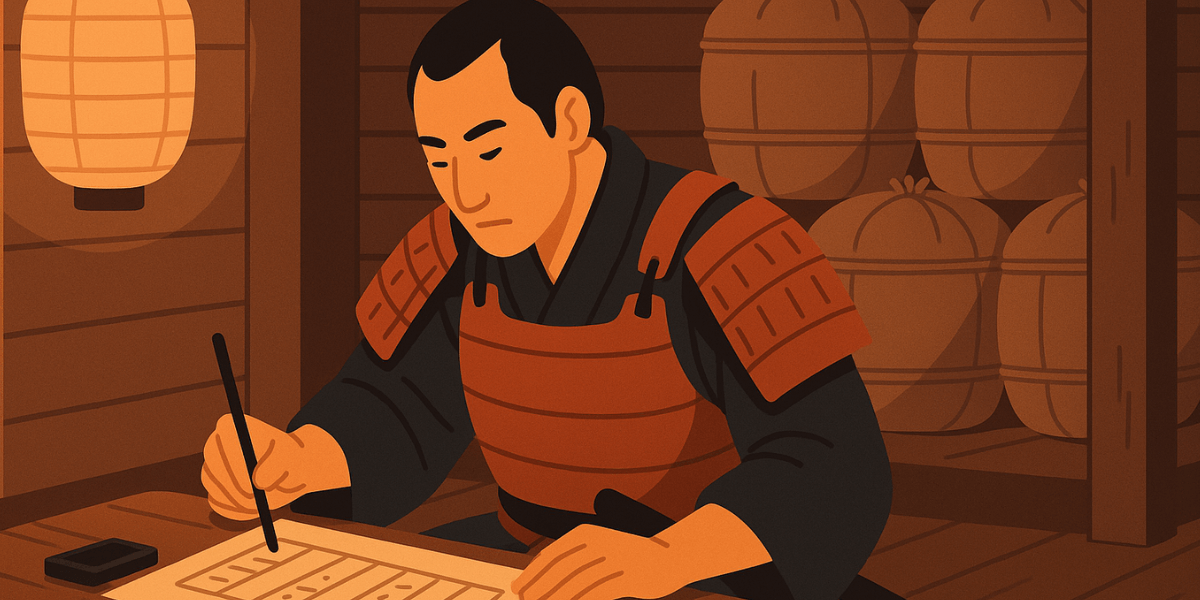
Ironically, not all influence is negative. K-dramas also highlight discipline, consistency, routine, late-night studying, quiet cafés, and a calm dedication to self-improvement. These scenes mirror the lifestyle adopted by young Asian traders who engage in “quiet trading”—a trend where Gen Z executes trades in silent environments like study cafés, private pods, and minimalistic bedrooms.
Characters in K-dramas often work tirelessly late at night, drinking tea or instant coffee under warm lighting. Gen Z traders have adopted this aesthetic as part of their own approach to markets: studying charts with quiet intensity, journaling trades, building strategies, and maintaining intentional routines. Many young traders report that Korean media instilled in them a value system centred on discipline and daily effort—not just emotional drama.
This is one of the positive side-effects of K-drama influence. It promotes an image of focused self-improvement that aligns well with healthy trading habits.
Relationship Dynamics and the Risk Appetite Link
One of the less obvious but most powerful influences comes from how K-dramas depict relationships. Emotional risk-taking is often framed as necessary—confessing love, taking bold steps, pursuing someone despite uncertainty. These representations translate into financial behaviour more often than expected. Young traders who internalise emotional bravery may feel more comfortable taking financial risks, especially when those risks are framed as symbolic of personal growth or courage.
In fact, many surveys conducted in Singapore, Malaysia, and Thailand show that Gen Z traders often link risk-taking in markets to self-expression, maturity, and identity-building. They see trading as a form of asserting independence—an emotional parallel to the personal courage displayed by K-drama protagonists. This connection between emotional stakes and financial stakes makes risk feel meaningful rather than purely mathematical.
The Role of Korean Aesthetics in Shaping Trading Environments
Visual aesthetics matter more to Gen Z than any previous generation. The calm interiors, warm lighting, plant-filled rooms, and minimalist furniture shown in K-dramas strongly influence how young traders curate their personal spaces. This matters psychologically because environment affects decision-making. A well-organised, aesthetically pleasing environment creates a sense of clarity and confidence that encourages trading engagement.
Many study cafés across Southeast Asia deliberately adopt Korean interior styles—wooden tones, soft lighting, high privacy, and gentle ambiance—because they attract Gen Z customers. These same environments have become trading hubs where young investors review charts, follow markets, and discuss strategies. K-drama aesthetic influence thus indirectly shapes trading productivity across the region.
K-Dramas and the Illusion of Meritocracy
Another narrative pattern in Korean storytelling is the belief that effort guarantees results. Characters often succeed after long periods of struggle, and audiences internalise this as a form of emotional truth. However, markets do not operate in a meritocratic structure. A trader can study for years and still lose money if their psychology or timing is off.
Young traders influenced by K-dramas sometimes assume that emotional determination will translate into financial success. This misconception leads to stubbornness—holding losing positions too long, refusing to cut losses, or believing that perseverance alone will cause markets to “turn around.” This emotional persistence is admirable but dangerous in speculative markets.
The Soft Power Mechanism: Why This Influence Is So Deep
Why do K-dramas shape financial behaviour so strongly? Because they operate through soft power, not instruction. They bypass rational analysis and influence viewers through emotional resonance. Soft power shapes beliefs, expectations, and desires before individuals are even aware it is happening.
Young traders in Asia form their emotional vocabulary through Korean storytelling. They learn how to interpret uncertainty, hope, fear, desire, and resilience through the lens of fictional narratives. When they enter markets, they unconsciously map these emotional scripts onto financial experiences. K-dramas become a silent psychological foundation for how they evaluate risk and opportunity.
Conclusion
K-dramas do not directly tell viewers how to invest. They do something more powerful: they shape how young people feel about risk, timing, reward, hardship, and transformation. For Gen Z traders in Asia, Korean storytelling provides an emotional framework that blends aspiration with uncertainty, courage with vulnerability, and perseverance with destiny. These emotional patterns influence how they engage with financial markets, particularly in high-risk sectors such as FX and crypto.
The influence is neither wholly positive nor wholly negative. It creates boldness but also impulsiveness. It fosters discipline but also unrealistic expectations. It encourages ambition but sometimes distorts risk perception. Understanding this influence is essential for educators, brokers, content creators, and regulators seeking to connect with the region’s youngest investors. K-dramas are not simply entertainment—they are psychological infrastructure. And Asia’s Gen Z traders, knowingly or not, are already building their financial identities upon it.
Frequently Asked Questions
Do K-dramas make young traders take more financial risks?
They influence emotional behaviour, which can increase risk appetite—especially when stories emphasise dramatic breakthroughs or sudden success.
Is the impact of K-dramas on trading behaviour proven?
Multiple behavioural studies across Asia show a correlation between emotional media consumption and financial risk-taking, particularly among Gen Z.
Can K-dramas improve trading discipline?
Yes. Their themes of perseverance, late-night studying, and quiet focus often inspire disciplined trading habits.
Do K-dramas create unrealistic financial expectations?
Sometimes. They romanticise upward mobility, which can push inexperienced traders toward high-risk strategies seeking rapid transformation.
Note: Any opinions expressed in this article are not to be considered investment advice and are solely those of the authors. Singapore Forex Club is not responsible for any financial decisions based on this article's contents. Readers may use this data for information and educational purposes only.