Across Asia, a subtle yet profound transformation is happening in the way young people approach trading. For more than a decade, “hustle trading” dominated social media: charts flashing on multiple screens, traders glued to their phones, extreme leverage, sleepless nights, dopamine-fueled wins, and burnout disguised as ambition. It was a culture built on speed, adrenaline, and the illusion that more activity meant more success.
But something shifted. Quietly, steadily, a new generation of Asian traders is choosing a different path — one that values sustainability over intensity, long-term growth over short-term thrill, and psychological stability over noise. What was once glorified as “the grind” has begun to feel outdated. Young traders across Singapore, Malaysia, Indonesia, and Thailand are abandoning hyperactive strategies in favor of a calmer, more intentional approach: what many now call “quiet trading.”
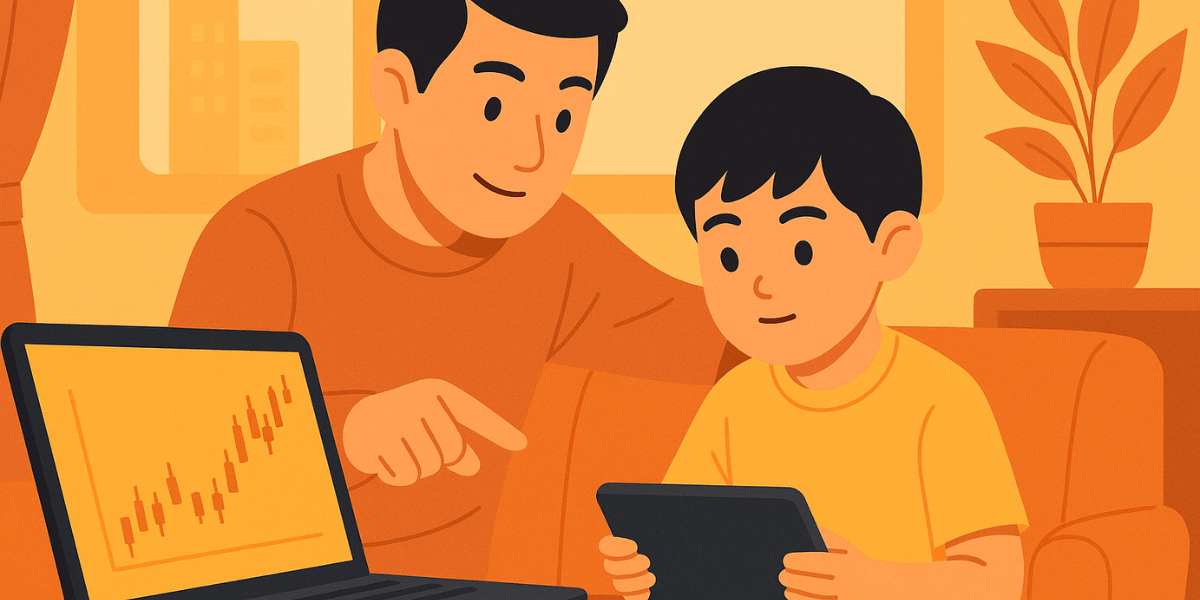
Quiet trading is not passive. It is deliberate. It emphasizes mental clarity, measured exposure, strategic positioning, and a deep understanding of macro landscapes. It rejects the idea that screens must dominate one's life. Instead, it embraces the idea that trading should fit into life, not consume it. Understanding this shift helps us better understand the evolution of Asian finance — culturally, psychologically, and technologically.
Understanding the Cultural Shift
Asia has always had a unique relationship with ambition. Hustle culture is woven into educational systems, workplace dynamics, and even family expectations. For years, this mindset spilled naturally into trading: charts replaced textbooks, volatility replaced exam pressure, and high leverage became the financial equivalent of all-night study sessions. Young traders saw hustle trading as a badge of honor, a mark of discipline and drive.
But the generation coming of age in the 2020s is different. They carry the memory of the pandemic’s economic shocks, the crypto collapses, and multiple geopolitical risk events that rewired their perception of volatility and risk. They are more skeptical of rapid-wealth narratives and more aware of mental health. Social media has also matured: the glamor of hustle trading no longer feels aspirational; it feels exhausting.
This cultural shift did not happen overnight. It was the result of accumulated experiences, new financial education, and a widening awareness that sustainable trading is not about how loudly you trade — but how smartly.
What “Hustle Trading” Means in Asia
Before understanding quiet trading, it is important to precisely define the behavior it is replacing. “Hustle trading” refers to a style that idolizes constant activity, emotional intensity, and the belief that more trades equal more progress. It is built around several patterns:
1. Trading Too Frequently
Opening dozens of positions per day, switching charts constantly, and chasing micro-movements in every market session.
2. Over-Leveraging
Using 1:200, 1:500, or even 1:1000 leverage in hopes of turning small capital into large returns quickly. This often leads to short-lived accounts and highly emotional decision-making.
3. Seeking Volatility Instead of Stability
Prioritizing fast-moving assets — crypto breakouts, gold spikes, yen crashes — rather than structured strategies.
4. Emotional Trading as Identity
Hustle traders often felt the need to “live as a trader” instead of simply trading. It became part of their persona, not just their skill.
5. Burnout Patterns
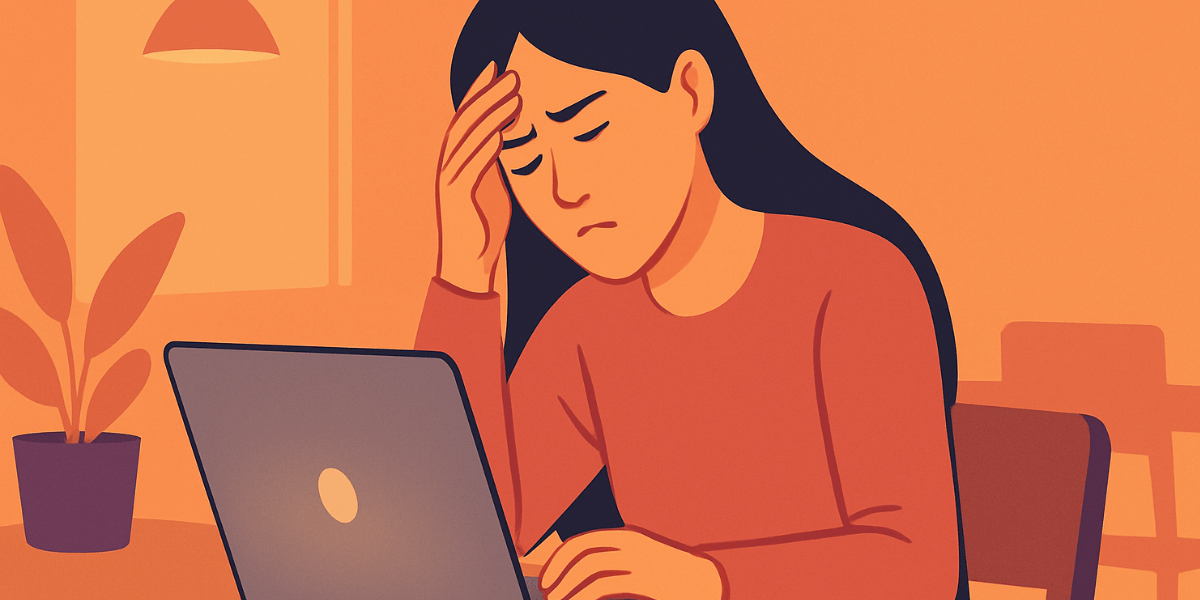
Extended screen exposure, sleep disruption, and adrenaline dependency were common features of the hustle era.
For many young Asians, this model simply became unsustainable. The costs — psychological, financial, and physical — outweighed the perceived sense of achievement.
What “Quiet Trading” Represents
Quiet trading is not passive income or set-and-forget investing. It is a disciplined, strategic, low-noise approach that prioritizes psychological clarity. It emerged as a counterweight to the chaos of hustle trading, and it reflects a deeper maturity in the Asian trading ecosystem.
1. Fewer, Better Trades
Quiet traders choose high-quality setups based on data, macro context, and clear risk parameters. They avoid noise-driven decisions.
2. Higher Timeframes
Daily, weekly, and monthly charts create more stability than minute-by-minute reactivity. Quiet traders zoom out.
3. Defined Risk and Position Sizing
No more “all in.” Quiet trading emphasizes measured exposure and consistent risk-to-reward mechanics.
4. Emotional Neutrality
The goal is psychological balance — avoiding extremes of euphoria or panic. Quiet traders seek calm, not stimulation.
5. Integration with Life
Quiet trading allows room for other pursuits: careers, families, studies, hobbies. Trading becomes one part of a full life, not life itself.
In essence, quiet trading is a mindset — intentional, calm, and long-term.
Why Young Asian Traders Are Changing Their Approach
The shift toward quiet trading is driven by several converging forces across Asia.
1. Fatigue from Hustle Culture
After a decade of hustle glorification, young Asians began to question whether constant work truly equaled success. Burnout became widespread, especially during the pandemic.
2. Greater Awareness of Mental Health
Asian societies are slowly normalizing discussions around anxiety, stress, and rest. Trading’s psychological demands became more visible, leading many to seek calmer approaches.
3. Impact of Global Market Crises
Crypto crashes, high inflation, and rapid policy tightening from central banks made high-leverage trading substantially more dangerous.
4. Increase in Financial Education
Youth in Singapore, Malaysia, Indonesia, and Thailand consume more financial content than any previous generation. They learn from the failures of earlier retail cohorts.
5. Shift Toward Long-Term Thinking
Younger traders increasingly view trading as a multi-year discipline, not a short-term escape. This mindset naturally favors quiet strategies.
6. Influence of Japanese and Korean Minimalism
Minimalist philosophies — popularized in Japan and Korea — emphasize clarity, simplicity, and emotional balance. This extends into trading styles.
7. Regulatory Pressure Toward Sustainability
Brokers in Southeast Asia are tightening risk disclosures and reducing marketing hype, pushing young traders toward more realistic expectations.
Country-by-Country Insight
While the shift toward quiet trading is regional, the motivations differ slightly by country.
Singapore
Singaporean traders favor structured, data-driven approaches. With access to MAS-regulated environments, quiet trading aligns with the city-state’s emphasis on professionalism and stability. Rising living costs mean young Singaporeans prefer preserving capital over speculative risk.
Malaysia
Malaysian youth have embraced quiet trading as a counterweight to the aggressive multi-level crypto schemes that became widespread between 2018 and 2022. Increased financial literacy campaigns reinforced long-term thinking.
Indonesia
Indonesia’s retail market exploded during the pandemic, but high volatility and widespread liquidations pushed a new wave of traders to adopt calmer, macro-aware strategies. Economic uncertainty made “capital preservation first” a popular motto.
Thailand
Thai traders gravitate toward quiet trading because their regulatory environment is stricter (e.g., age 20 for some derivatives). Many young Thai traders favor swing trading and mid-term FX positioning over scalping.
The Psychology Behind Quiet Trading
At its core, quiet trading is a psychological evolution. It is trading without noise — both external and internal.
1. Lower Dopamine Dependence
Hustle trading feeds on dopamine spikes: fast trades, fast wins, fast losses. Quiet trading reduces emotional highs and lows.
2. Increased Self-Regulation
Young traders across Asia are practicing self-control, delaying gratification, and focusing on steady progress.
3. Reduced Ego
Quiet trading avoids public bragging and focuses on private mastery. There is less need to perform or impress.
4. Stronger Focus on Process Over Outcome
The shift is from outcome-based success (“I need to win today”) to process-based discipline (“I need to follow my system”).
5. Cognitive Clarity
Without noise, traders think more clearly, manage risk more effectively, and avoid impulsive decisions.
Technology’s Role in the Shift
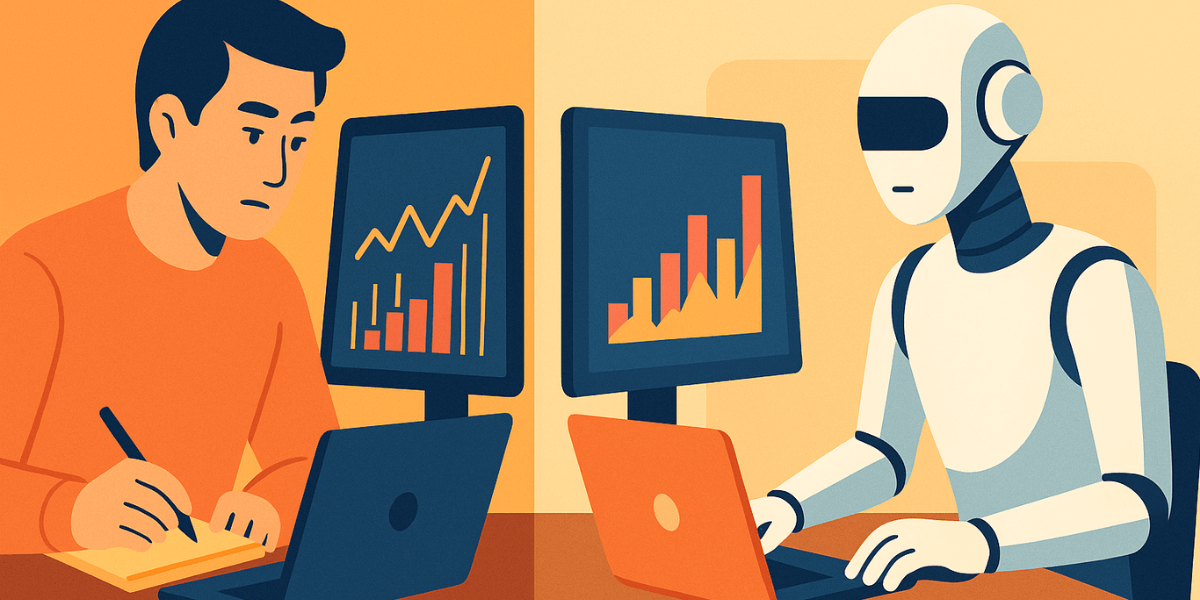
Ironically, modern technology — once the fuel of hustle trading — is now enabling quiet trading:
1. Automated Alerts
Traders no longer need to stare at screens. Notifications signal when to act.
2. Portfolio Dashboards
Clean interfaces reduce visual clutter and help traders focus on the big picture.
3. Algorithmic Tools
Risk management bots enforce discipline, removing emotion from decision-making.
4. Educational Platforms
Young traders now learn systematic approaches rather than chasing hype.
5. Journaling Apps
Digital journals help track habits and reinforce long-term thinking.
Why Quiet Trading Performs Better Long-Term
Numerous studies and historical patterns show that quiet trading tends to outperform hustle trading over time.
1. Lower Transaction Costs
Fewer trades mean less spread loss, lower commissions, and reduced slippage.
2. Better Decision Quality
Quiet traders act based on strategy, not emotion.
3. Lower Burnout
Sustainability allows traders to stay in the game long enough to mature.
4. Capital Preservation
The top priority of quiet trading ensures long-term survival.
5. Reduced Overtrading
Overtrading is one of the biggest killers of retail accounts. Quiet trading minimizes this risk.
The Future of Asian Retail Trading
The future of trading in Asia is quieter, smarter, and more intentional. As regulatory environments tighten and financial education spreads, traders will increasingly prioritize discipline over excitement. Quiet trading aligns with broader Asian values — patience, steadiness, and long-term vision.
We can expect to see:
- More swing and position traders
- Less reaction to noise-heavy markets
- Higher use of automation for discipline
- Greater focus on macroeconomics
- Growth of minimal-trading communities
Conclusion
The shift from hustle trading to quiet trading represents a maturation of the Asian retail trading ecosystem. It is a reaction to years of volatility, overstimulation, and social media hype. Young Asian traders are discovering that true mastery lies not in constant motion, but in controlled action. Quiet trading reflects a new philosophy — one rooted in clarity, discipline, emotional balance, and respect for risk.
Trading does not need to be loud to be powerful. Sometimes, the quietest traders build the strongest foundations.
Frequently Asked Questions
What is quiet trading?
Quiet trading is a low-noise, disciplined approach that prioritizes long-term strategy over constant activity.
Why are Asian traders shifting away from hustle trading?
Burnout, increased financial education, better risk awareness, and changing cultural attitudes toward mental health.
Is quiet trading the same as passive investing?
No. Quiet trading is still active trading, but with fewer, higher-quality decisions.
Do quiet traders use leverage?
Yes, but in low, controlled amounts to preserve capital.
Does quiet trading work for beginners?
Absolutely. It helps prevent overtrading and encourages discipline from day one.
Is hustle trading always bad?
Not necessarily, but it is often unsustainable and emotionally exhausting.
What timeframes do quiet traders use?
Mainly 4H, daily, and weekly charts for clarity and stability.
Is quiet trading less profitable?
No. In many cases, it is more profitable long-term due to fewer mistakes and lower costs.
Which Asian country adopted quiet trading fastest?
Singapore, due to its mature regulatory environment and high financial literacy.
How can young traders start practicing quiet trading?
By journaling, reducing screen time, defining risk, and focusing on a structured system rather than constant activity.
Note: Any opinions expressed in this article are not to be considered investment advice and are solely those of the authors. Singapore Forex Club is not responsible for any financial decisions based on this article's contents. Readers may use this data for information and educational purposes only.