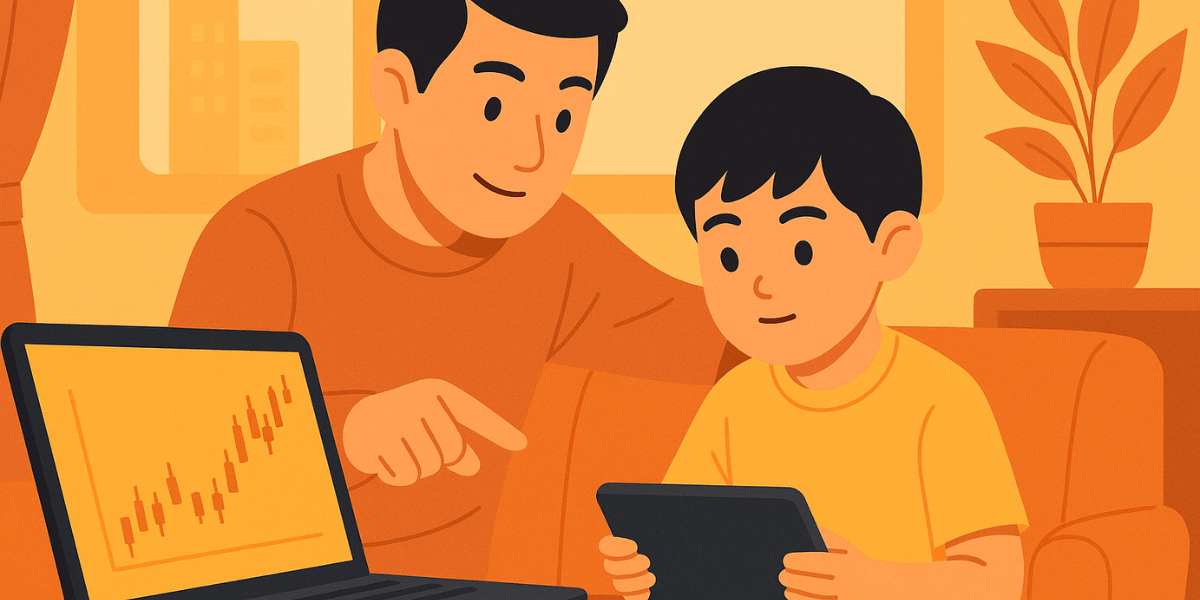
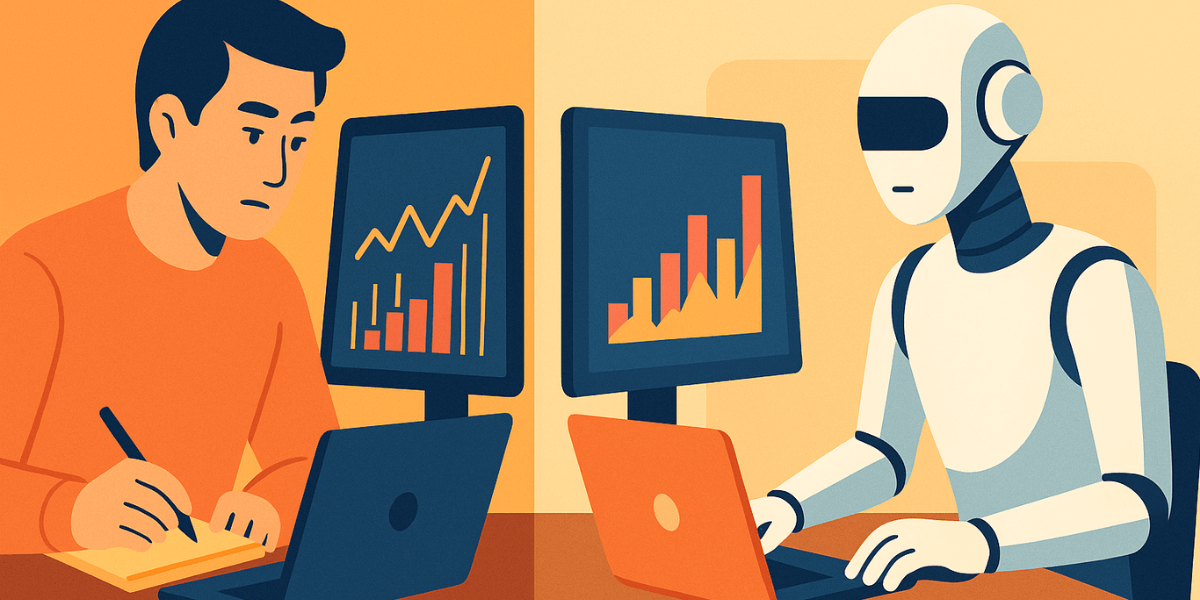
For decades, success in trading was measured by numbers: profit margins, account growth, and the size of one’s portfolio. The archetype of the “successful trader” was defined by aggression, long hours, and an obsession with market dominance. But a quiet revolution has taken place—led by the millennial generation. Today’s traders value balance, purpose, flexibility, and mental health as much as financial returns. For them, trading is not just a way to make money; it’s a path toward autonomy, personal growth, and self-mastery.
This generational shift has been reshaping the trading landscape worldwide, but nowhere is it more visible than in Asia’s fast-evolving financial hubs such as Singapore, Tokyo, and Hong Kong. Millennials, empowered by technology and disillusioned by traditional definitions of success, are reimagining what it means to “win” in the markets. This article explores how this new generation of traders is changing the industry—from work-life balance and ethics to sustainability and community-driven success metrics.
The Traditional Trading Ideal: Performance Above All
Before understanding the millennial shift, it’s essential to look at the model they’re redefining. For much of the late 20th century and early 2000s, trading was synonymous with extreme performance culture. Traders were expected to endure long, stressful hours in high-pressure environments. Success meant beating competitors, earning large bonuses, and growing one’s trading book relentlessly.
The industry rewarded speed, aggression, and tolerance for risk. Work-life balance was nearly non-existent. Many traders internalized an identity tied entirely to their profit-and-loss statements. Mental health issues—burnout, anxiety, and addiction—were treated as signs of weakness rather than occupational hazards.
But this approach began to fracture with the rise of digital trading, remote work, and a more educated generation entering the financial space. Millennials came of age during global crises, technological revolutions, and social movements that reshaped values. Their concept of success grew beyond money—it became about meaning, sustainability, and control over one’s life.
The Millennial Mindset: Beyond the Profit Curve
Millennials—those born between 1981 and 1996—approach career and wealth-building differently from previous generations. Their formative years included the 2008 global financial crisis, rapid globalization, and the digital revolution. These experiences cultivated a deep skepticism toward traditional institutions and a desire for authenticity and autonomy.
In trading, this manifests as a shift from competition to self-optimization. Millennial traders measure success not only by profits but by metrics such as mental health stability, flexibility, and learning. Many view financial markets as a means of achieving lifestyle freedom rather than corporate power.
Key Values of Millennial Traders
- Purpose over Prestige: Millennials want to trade for meaning—to understand markets, achieve independence, and align with personal values rather than status.
- Work-Life Integration: They seek flexible schedules, remote work options, and balance between trading and personal life.
- Mental Health Awareness: Open conversations about burnout, anxiety, and discipline have become central to trading communities.
- Digital Independence: Many prefer decentralized trading ecosystems, retail platforms, and self-managed portfolios over traditional institutional hierarchies.
- Ethical Investing: ESG awareness and sustainable finance have influenced how millennials allocate capital, even in speculative markets.
This mindset marks a profound cultural change: trading is no longer a battlefield—it’s a craft and a form of self-expression.
Technology and Democratization: The Great Equalizer
Technology has been the single biggest enabler of this new trading culture. Online platforms, algorithmic tools, and mobile apps have removed barriers that once restricted trading to elite institutions. Millennials, digital natives by birth, embraced these tools not just for profit but for empowerment.
Social trading platforms like eToro, TradingView, and community-based apps allow traders to learn, share, and collaborate in ways unimaginable 20 years ago. For millennials, transparency, accessibility, and shared knowledge are more valuable than secrecy and hierarchy. This community-based mindset has replaced the solitary trader archetype with a collaborative, socially intelligent one.
How Tech Shapes Millennial Success
- Mobile-First Trading: The ability to trade anywhere allows for freedom and lifestyle integration.
- AI and Automation: Millennials use bots, scripts, and AI-driven tools to free time for analysis, learning, or rest—focusing on strategy, not constant manual monitoring.
- Open Data Culture: Information once held by large banks is now shared publicly, creating a level playing field and empowering self-taught traders.
- Learning through Community: Platforms and forums have replaced secretive mentorships, allowing democratized education and peer-driven growth.
Technology hasn’t just made trading easier—it’s aligned with millennial values of autonomy, transparency, and accessibility.
Mental Health as a Core Metric of Success
Perhaps the most significant redefinition of success among millennial traders is the prioritization of mental well-being. The old narrative glorified sleepless nights and caffeine-fueled sessions. Today’s traders understand that cognitive clarity and emotional regulation are as important as technical analysis.
This awareness has led to a rise in mindfulness-based trading practices, digital detox routines, and even the integration of biofeedback and wearables (such as HRV monitors) to track stress levels. Millennials recognize that sustainable performance depends on physiological stability and self-awareness, not brute endurance.
Mindfulness and Neurofitness in Modern Trading
- Morning meditation or breathing exercises before the market opens.
- Scheduled breaks or “micro-recovery” sessions during trading hours.
- Use of biofeedback tools to monitor emotional arousal.
- Regular physical exercise to improve decision speed and emotional control.
In this framework, mental health is no longer an afterthought—it’s a performance strategy.
Redefining Wealth: From Capital Accumulation to Life Design
Traditional traders often viewed wealth as accumulation—more assets, bigger returns, higher net worth. Millennials, however, see wealth as flexibility: the ability to design one’s lifestyle, work on personal terms, and contribute meaningfully to society. This is especially evident among traders who choose to work independently rather than join large institutions.
For them, financial freedom means freedom of choice—not just the luxury to spend but the ability to stop when desired. The minimalist ethos of “enough” has entered trading psychology, replacing the endless chase for more with the pursuit of sustainable satisfaction.
The New Wealth Equation
- Time Wealth: Controlling one’s schedule and pace of work.
- Energy Wealth: Protecting mental and physical resources as valuable assets.
- Purpose Wealth: Aligning trading with values, causes, or personal missions.
- Social Wealth: Building meaningful professional networks and communities.
In this equation, money becomes a tool—not the goal.
Social Impact and Ethical Consciousness
Millennials have also expanded the concept of “success” to include ethical and environmental dimensions. They are more likely to invest in assets that reflect their worldview—whether through ESG-conscious brokers, green bonds, or companies aligned with social responsibility. Even in Forex and CFD trading, many choose platforms with transparent practices and fair execution policies.
This marks a shift from profit-maximizing behavior toward value-driven finance. The millennial trader asks not only “How much can I make?” but also “What does my capital contribute to?” This moral awareness creates new accountability within the industry and pressures brokers to align with ethical standards.
Community and Collaboration: The Rise of Collective Success
For previous generations, trading was an individual pursuit. For millennials, it’s increasingly social. The digital ecosystem has turned trading into a participatory culture. Discord groups, Telegram channels, and online forums have created “digital trading floors” where collaboration replaces competition.
These communities share more than signals—they share support, education, and collective accountability. This sense of belonging reduces isolation and mental fatigue, two of the most common challenges for solo traders. In this environment, success is measured not by outperforming others but by growing together.
Examples of Collaborative Success Models
- Peer Accountability Groups: Traders share goals and track emotional discipline collectively.
- Educational Ecosystems: Platforms offering free mentorship, content, and joint research.
- Cooperative Trading Funds: Small investor pools that operate transparently, emphasizing shared gains and learning.
This cooperative spirit echoes the cultural value of interdependence found in many Asian societies, blending tradition with innovation.
From Traders to Digital Nomads
The millennial redefinition of success also embraces location independence. Many traders choose flexibility over corporate status, operating remotely from anywhere in the world. This aligns with broader generational trends toward remote work and global mobility.
Trading, once confined to physical trading floors, is now part of the “digital nomad economy.” Laptops replace trading terminals; community replaces hierarchy. For these traders, the true luxury is freedom—the ability to work from a beach in Bali or a café in Seoul while staying connected to the global market network.
Education and Lifelong Learning
Millennials approach trading as an educational journey rather than a get-rich-quick scheme. They value continuous improvement, data literacy, and psychological growth. This mindset has spawned a generation of traders who actively seek knowledge in behavioral finance, cognitive psychology, and neuroeconomics alongside technical indicators.
Learning is seen as the ultimate investment—one that compounds over time. The millennial trader doesn’t just trade markets; they study themselves as part of the market system.
How Companies and Brokers Are Adapting
Financial institutions are adapting to these changing values. Brokers and platforms now emphasize transparency, ethical regulation, and user empowerment. Marketing strategies focus less on leverage and more on education, trust, and mental well-being.
Some firms even integrate wellness features into their trading apps, such as focus timers or emotional tracking. Corporate cultures are evolving to attract younger traders who seek purpose and belonging rather than just commissions and bonuses.
Examples of Industry Adaptation
- Educational Platforms: Offering free webinars and learning paths tailored to lifestyle traders.
- Flexible Structures: Firms allowing hybrid work or remote trading environments.
- ESG-Aligned Offerings: Brokers expanding access to sustainable assets and ethical portfolios.
- Mental Health Integration: Partnerships with wellness apps and psychological training providers.
The Asian Context: Redefining Success Through Balance
In Asia, the millennial approach to success aligns naturally with cultural philosophies emphasizing harmony, balance, and mindfulness. Concepts such as Ikigai (Japan), Wu Wei (China), and Gotong Royong (Indonesia) share core principles with the modern millennial ethos: meaningful work, flow, and community interdependence.
Singapore, in particular, has become a hub for this new trading culture. The city’s regulatory stability, digital infrastructure, and wellness-oriented policies make it an ideal ecosystem for traders who value both productivity and quality of life. Asian millennials are showing the world that success is not about working harder—it’s about working harmoniously.
The Future of Success in Trading
As Generation Z begins entering financial markets, the millennial transformation of success will deepen. The new paradigm combines finance, psychology, and sustainability into one holistic system. Trading will no longer be judged solely by monetary returns but by long-term resilience, ethical alignment, and emotional well-being.
Future traders will be part financial analysts, part data scientists, and part self-optimized thinkers. Success will be measured by adaptability, cognitive balance, and contribution to a transparent financial ecosystem. In other words, the future trader is a blend of discipline, empathy, and intelligence—guided by both numbers and purpose.
Conclusion
Millennials have rewritten the definition of success in trading careers. They’ve replaced ego with purpose, burnout with balance, and isolation with community. In doing so, they’ve humanized one of the most demanding professions in modern finance.
For them, success is not about escaping volatility—it’s about mastering one’s response to it. It’s not about having more, but being more: more aware, more balanced, more fulfilled. In a world where markets move at the speed of algorithms, the millennial trader’s greatest edge is not speed—it’s clarity.
Frequently Asked Questions
Why are millennials changing the definition of success in trading?
Because they prioritize meaning, flexibility, and mental health over traditional goals like wealth and status, seeking sustainable performance instead of short-term wins.
How does technology influence millennial trading culture?
It democratizes access to markets and education, allowing millennials to trade independently while collaborating through online communities and platforms.
Are millennials less profit-oriented than previous generations?
Not necessarily—they still value profitability but define success as balance, autonomy, and purpose, not just capital growth.
How do millennial traders handle stress and burnout?
They adopt mindfulness, exercise, and digital detox routines, often using tech tools like biofeedback or meditation apps to maintain composure.
What can brokers learn from millennial traders?
That long-term loyalty comes from transparency, education, and shared values—not just leverage or marketing. Millennial traders want partnerships, not platforms.
Note: Any opinions expressed in this article are not to be considered investment advice and are solely those of the authors. Singapore Forex Club is not responsible for any financial decisions based on this article's contents. Readers may use this data for information and educational purposes only.