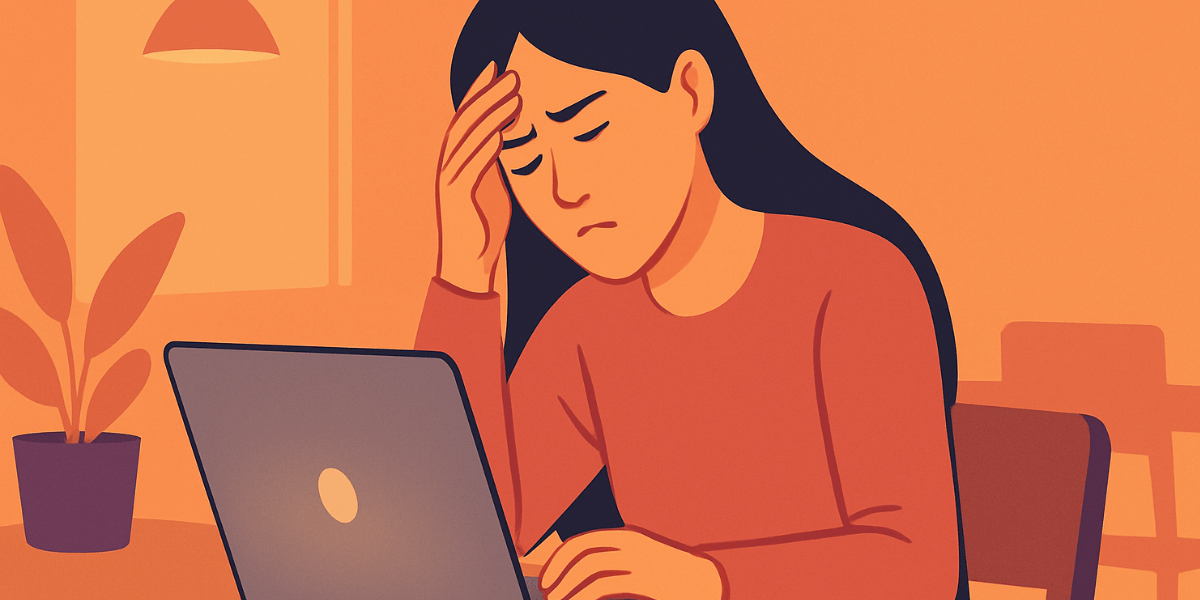
Modern knowledge work demands sustained attention for long periods of time. Traders, analysts, developers, writers, designers, and executives are all expected to remain cognitively sharp while processing large volumes of information under constant pressure. The prevailing assumption for decades was that focus improves by “pushing through” fatigue. If attention drops, the solution was assumed to be more discipline, more willpower, and fewer interruptions.
Neuroscience and cognitive psychology now show that this assumption is fundamentally flawed. The human brain is not designed for uninterrupted high-intensity focus over long durations. Instead, it operates in rhythmic cycles of attention, recovery, and consolidation. Ignoring these cycles leads to cognitive fatigue, slower reaction times, emotional dysregulation, and a gradual erosion of decision quality.
This is where micro-breaks come in. Micro-breaks are short, deliberate interruptions—often lasting seconds or a few minutes—that allow the brain to reset without fully disengaging from the task. When applied correctly, they do not reduce productivity. On the contrary, they increase sustained focus, preserve flow states, and improve performance over long sessions.
This article explores the science behind micro-breaks in depth. We will examine how attention works at a neurological level, why continuous focus degrades performance, how micro-breaks differ from traditional breaks, and how to apply them without losing momentum. The goal is not to work less, but to work with the brain rather than against it.
How the Brain Manages Attention
Attention is not a static resource. It is governed by dynamic neural systems that fluctuate naturally over time. Two key systems are involved: the executive attention network and the default mode network.
The executive attention network is responsible for goal-directed focus. It activates when you analyze charts, solve problems, read complex material, or make decisions. This network consumes significant metabolic energy and relies heavily on neurotransmitters such as dopamine and norepinephrine.
The default mode network, by contrast, becomes active when attention relaxes. It is associated with mind-wandering, internal reflection, memory consolidation, and creative insight. Contrary to popular belief, this network is not idle or useless. It plays a critical role in integrating information and maintaining cognitive balance.
Healthy cognition requires oscillation between these networks. Sustained activation of the executive network without adequate recovery leads to neural fatigue. Reaction times slow, error rates increase, and emotional control weakens. Micro-breaks facilitate this oscillation without fully disengaging from the task environment.
The Myth of Continuous Focus
The idea that elite performers maintain unbroken focus for hours is largely a myth. What appears to be continuous concentration is often a series of rapid micro-adjustments that include brief moments of disengagement.
Research on attention spans shows that performance on cognitively demanding tasks begins to decline after 20 to 40 minutes of uninterrupted effort. This does not mean the brain shuts down; rather, it compensates by using less efficient pathways. The result is mental “tunneling,” where flexibility and situational awareness decrease.
In fields such as trading, this can be dangerous. Overextended focus increases susceptibility to cognitive biases, impulsive decisions, and overconfidence. In creative work, it leads to rigid thinking and reduced originality.
Continuous focus is not a sign of strength. It is often a sign that the brain is being pushed beyond its optimal operating rhythm.
What Are Micro-Breaks?
Micro-breaks are brief pauses intentionally designed to interrupt cognitive strain before fatigue becomes disruptive. They typically last between 10 seconds and 5 minutes and do not involve full task switching.
Unlike traditional breaks—such as lunch breaks or long walks—micro-breaks are not meant to disengage completely. Their purpose is to release attentional tension while preserving contextual continuity.
A micro-break might include standing up and stretching, shifting gaze away from the screen, slow breathing, brief physical movement, or even closing the eyes for a few seconds. The key is that the break resets attention without requiring a psychological “restart” afterward.
When used consistently, micro-breaks prevent cognitive overload and reduce the need for longer recovery periods later in the day.
The Neuroscience Behind Micro-Breaks
At a biological level, micro-breaks help regulate neurotransmitter balance. Sustained focus depletes dopamine and increases cortisol. As dopamine drops, motivation and precision decline. Elevated cortisol impairs working memory and emotional regulation.
Short breaks allow neurotransmitter levels to stabilize. Even brief physical movement increases blood flow to the brain, improving oxygen and glucose delivery. This enhances neural efficiency without triggering a full relaxation response.
Micro-breaks also reduce neural adaptation. When neurons fire repeatedly in the same pattern, responsiveness decreases. A brief interruption disrupts this pattern, restoring sensitivity and improving signal clarity.
This explains why insight often occurs immediately after stepping away from a problem, even briefly. The brain reorganizes information during moments of reduced executive control.
Micro-Breaks and Flow States
One concern people have is that breaks will disrupt flow. Flow is characterized by deep immersion, reduced self-consciousness, and a sense of effortless control. At first glance, interrupting this state seems counterproductive.
However, flow does not require constant strain. In fact, flow emerges when challenge and skill are balanced, not when effort is forced. Micro-breaks help maintain this balance by preventing the gradual drift from engagement into fatigue.
Studies on elite performers show that flow is sustained through rhythmic pacing rather than continuous exertion. Brief pauses are often integrated subconsciously, such as looking away, shifting posture, or momentarily relaxing facial muscles.
Well-timed micro-breaks preserve flow by keeping cognitive load within optimal limits. Poorly timed breaks—especially long or distracting ones—are what disrupt momentum.
Types of Micro-Breaks and Their Effects
Not all micro-breaks are equal. Different types serve different cognitive functions.
Visual breaks involve shifting gaze away from screens. This reduces eye strain and prevents visual fatigue, which is closely linked to cognitive exhaustion. Looking at distant objects or closing the eyes briefly is particularly effective.
Physical micro-breaks involve movement. Standing, stretching, or walking for 30 to 60 seconds activates proprioceptive input and increases arousal without overstimulation.
Breathing-based breaks regulate the autonomic nervous system. Slow, deep breathing lowers cortisol and stabilizes heart rate variability, improving emotional control.
Cognitive micro-breaks involve brief mental disengagement, such as letting the mind wander or focusing on a neutral sensation. These activate the default mode network and support integration.
Micro-Breaks in High-Stakes Professions
In professions where errors are costly—such as aviation, surgery, and financial trading—micro-breaks are increasingly recognized as performance tools rather than indulgences.
Pilots use structured attention resets during long flights. Surgeons pause briefly during procedures to recalibrate focus. Professional traders often step away from screens between market sessions to avoid decision fatigue.
These practices are not signs of weakness. They are risk management strategies grounded in cognitive science.
Common Mistakes When Using Micro-Breaks
The most common mistake is turning micro-breaks into distractions. Checking social media, news feeds, or messages introduces new cognitive load and emotional stimuli. This defeats the purpose.
Another mistake is waiting until exhaustion sets in. Micro-breaks are preventative, not corrective. They work best when applied before focus collapses.
Overusing micro-breaks can also fragment attention. The goal is rhythm, not constant interruption. Breaks should align with natural task boundaries or time intervals.
How to Integrate Micro-Breaks Into Deep Work
Effective integration starts with awareness. Notice early signs of fatigue: reduced clarity, irritability, tunnel vision, or repetitive errors.
Time-based strategies work well for structured tasks. For example, brief micro-breaks every 25–40 minutes align with natural attention cycles.
Event-based strategies are useful for dynamic work. Taking a micro-break after completing a trade, finishing a paragraph, or resolving a problem preserves momentum while resetting attention.
The key is consistency. Micro-breaks work cumulatively, maintaining performance across hours rather than producing dramatic immediate effects.
Long-Term Benefits of Micro-Break Practice
Over time, regular micro-breaks reduce burnout, improve emotional resilience, and increase overall cognitive endurance.
They also improve self-regulation. Individuals become better at detecting internal states and adjusting behavior proactively.
In creative and analytical fields, this leads to more stable performance, fewer impulsive decisions, and higher-quality output.
Conclusion
Micro-breaks are not about working less. They are about working intelligently, in alignment with how the brain actually functions.
Continuous focus is not sustainable, nor is it optimal. The brain thrives on rhythm, variation, and recovery. Micro-breaks provide a way to respect these principles without sacrificing productivity or flow.
In a world that rewards constant engagement, choosing to pause briefly can feel counterintuitive. Yet the science is clear: small, intentional breaks preserve attention, enhance decision-making, and protect long-term performance.
For anyone whose work depends on sustained mental clarity—especially in high-pressure environments—micro-breaks are not optional. They are a fundamental component of cognitive excellence.
Frequently Asked Questions
Do micro-breaks reduce productivity?
No. When used correctly, micro-breaks increase sustained productivity by preventing cognitive fatigue and errors.
How long should a micro-break last?
Typically between 10 seconds and 5 minutes, depending on task intensity and fatigue level.
Can micro-breaks disrupt flow?
Properly timed micro-breaks preserve flow by preventing overload. Poorly timed or distracting breaks disrupt it.
Are micro-breaks useful for creative work?
Yes. They support idea integration, insight generation, and cognitive flexibility.
What should be avoided during micro-breaks?
Social media, news, and emotionally stimulating content, as they introduce new cognitive load.
How often should micro-breaks be taken?
Every 25–40 minutes for demanding tasks, or after natural task completions in dynamic workflows.
Note: Any opinions expressed in this article are not to be considered investment advice and are solely those of the authors. Singapore Forex Club is not responsible for any financial decisions based on this article's contents. Readers may use this data for information and educational purposes only.