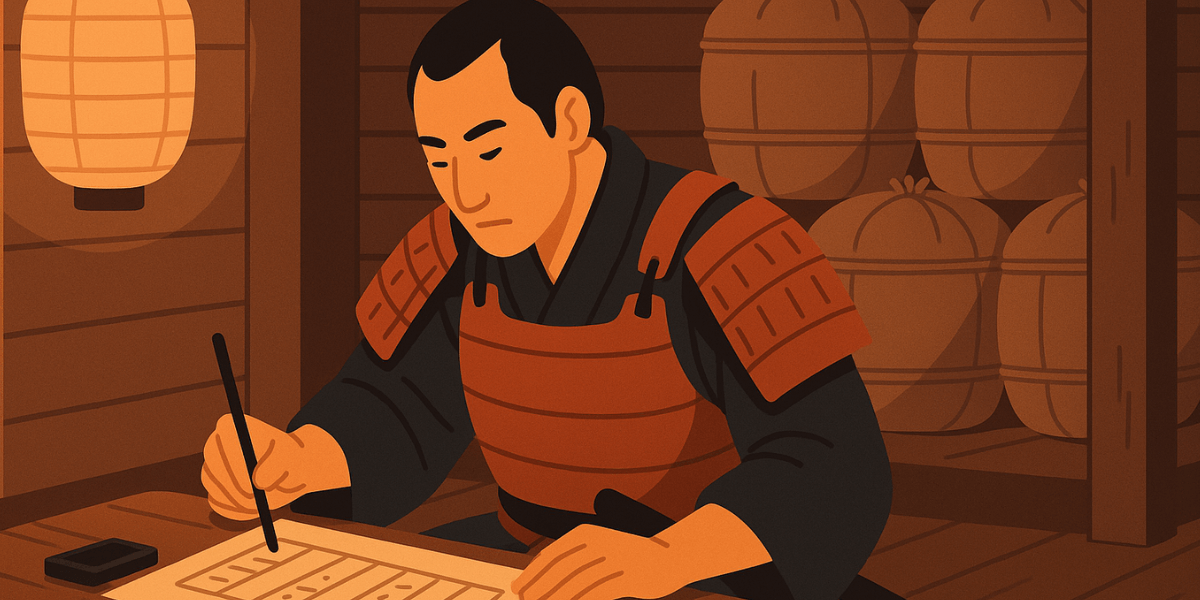
In modern trading circles, “Mrs. Watanabe” has become shorthand for the Japanese retail trader — a symbol of discipline, patience, and relentless market participation. Yet few outside Asia understand the historical and social context behind the phenomenon. What began as a cohort of Japanese housewives experimenting with currency speculation quietly grew into one of the most influential retail forces in global FX markets. Their trading activity shaped carry trades, influenced yen flows, and occasionally impacted volatility in ways that institutional traders could not ignore.
Unlike the Western stereotype of amateur retail speculation, the Mrs. Watanabe traders were methodical, data-driven, and exceptionally long-term oriented. Their approach to FX trading was rooted in household management, macroeconomic awareness, and a uniquely Japanese cultural relationship with savings and discipline. While most global traders discovered their presence only during major yen movements, their influence had been building for decades — silently but steadily.
This article explores who the real Mrs. Watanabe was (and wasn’t), how Japanese housewives became a collective financial force, why they gravitated toward FX, and how their legacy continues to shape market psychology in Asia today.
The Origins of “Mrs. Watanabe”: A Name, A Symbol, A Market Force
The term “Mrs. Watanabe” does not refer to a single woman. Instead, it is a sociocultural label coined by foreign traders in the early 2000s to describe Japanese housewives aggressively participating in the yen carry trade. Because Watanabe is one of the most common surnames in Japan, the label became a convenient shorthand for the masses of female retail traders quietly operating from their homes.
These traders were not speculating for glamour or thrill. They were supplementing household income during a prolonged economic stagnation known as the “Lost Decades,” during which Japan faced deflation, low interest rates, and shrinking real wages. Housewives traditionally managed household finances and savings; thus, FX speculation was a natural extension of that role — particularly when banks offered near-zero yields.
By the time institutional players noticed this cohort, estimates suggested that millions of Japanese retail traders, many of them women, were actively executing FX trades. Their aggregated positions were large enough to influence capital flows between Japan and high-yield economies like Australia, New Zealand, Turkey, Brazil, and South Africa.
Why Japanese Housewives Turned to Trading
To understand the rise of Mrs. Watanabe, it’s essential to examine the socioeconomic forces that shaped her decisions. Japan entered the 1990s with a collapsed asset bubble, stagnant wages, and shrinking economic opportunities. Meanwhile, household expectations remained unchanged: families still aspired to stability, savings culture remained strong, and women continued managing domestic finances.
1. Ultra-Low Interest Rates
Since the mid-1990s, Japan maintained near-zero interest rates to stimulate economic recovery. Traditional savings accounts — once a cornerstone of household wealth — no longer produced meaningful returns.
2. High Financial Literacy Among Housewives
Japanese women have historically been responsible for budgeting, savings, and financial planning. Surveys frequently show that housewives possess equal or higher financial literacy than their spouses, particularly in household asset management.
3. The Cultural Role of “Okane no Kanjo” — Money Sense
Japanese culture places strong value on frugality, discipline, and the careful handling of family finances. Trading was not seen as gambling but as a strategic extension of these values.
4. Accessibility of Online FX Platforms
The early 2000s saw Japanese brokerages introduce easy-to-use online FX platforms with low spreads and leverage options. For women at home with children or aging parents, trading was a rare opportunity for economic independence without abandoning domestic duties.
5. The Promise of Carry Trades
At the time, yields in countries like Australia and New Zealand were dramatically higher than in Japan. The difference in interest rates allowed traders to earn overnight interest — the “carry” — simply by holding positions.
It was the perfect combination of economic conditions and technological access. The Mrs. Watanabe cohort emerged not from speculation but necessity. And they became shockingly good at it.
How the “Mrs. Watanabe” Traders Actually Traded
Contrary to stereotypes, the trading strategies of Japanese housewives were structured and methodical.
1. The Yen Carry Trade
The core strategy was straightforward: borrow yen at extremely low interest rates and invest in higher-yielding currencies. Popular pairs included:
- JPY/AUD
- JPY/NZD
- JPY/TRY
- JPY/ZAR
By holding these positions over time, traders earned daily swap payments — sometimes generating more passive income than traditional investment options.
2. Long-Term Position Holding
Mrs. Watanabe traders were famously patient. Unlike day traders, they held carry positions for weeks or months, often riding extended macroeconomic trends.
3. Risk Diversification Across Currency Baskets
Rather than concentrating on a single pair, many housewives used diversified baskets across emerging and developed markets to balance risk and maximize carry potential.
4. Using Volatility as Opportunity
While rapid yen appreciation could wipe out carry gains, Mrs. Watanabe traders often re-entered at lower levels, using volatility to enhance long-term returns.
5. Detailed Record Keeping and Household-Like Budgeting
These traders applied household budgeting logic to FX trading — tracking swaps, calculating exposure, and maintaining detailed journals. Their discipline became a hallmark of their trading identity.
The Influence of Mrs. Watanabe on Global FX Markets
By the mid-2000s, analysts estimated that Japanese retail traders accounted for a staggering portion of global FX volumes in high-yield currencies. Their activity became so influential that global banks began tracking their behavior as a market indicator.
1. Impact on Carry Trade Liquidity
Their participation helped deepen liquidity in pairs like AUD/JPY and NZD/JPY, reinforcing price trends and enabling institutional participation at scale.
2. Yen Appreciation Shock Events
During market shocks — such as the 2008 financial crisis or periods of global risk-off sentiment — rapid unwinding of the carry trade often triggered sharp yen appreciation, contributing to volatility across equities and commodities.
3. Behavioral Predictability
Banks observed that Mrs. Watanabe tended to buy dips in carry currencies and sell during extreme risk events, creating identifiable patterns that institutions incorporated into short-term volatility models.
4. Influence on Retail Trading Culture Across Asia
The success of Japanese housewives inspired similar movements in South Korea, Taiwan, Hong Kong, and Singapore, where women-led trading communities began forming around FX markets and options strategies.
The Social Dimension: Trading as Empowerment
The story of Mrs. Watanabe is not simply about FX flows. It is about autonomy. These women found financial empowerment in a society where career options for married women were limited due to cultural expectations and structural barriers. Trading allowed them to contribute to household income while retaining flexibility in their domestic lives.
Many used their profits to fund children’s education, support aging parents, or secure financial independence. In this sense, trading became a tool of generational empowerment far beyond the charts.
The Psychology Behind Their Success
Much of the performance attributed to Mrs. Watanabe can be traced to psychological strengths rather than technical advantages.
1. Emotional Discipline
Housewives are trained — culturally and practically — to think long-term, budget carefully, and avoid impulsive decisions. These traits translate extremely well into carry trading.
2. Low Ego, High Process
They prioritized consistency over excitement. This stands in stark contrast to many retail traders in Western markets, who often chase volatility for emotional stimulation.
3. Community Learning
Online forums and community groups allowed them to share strategies and risk management techniques, accelerating collective improvement.
Case Study: How Mrs. Watanabe Reacted During the 2008 Crisis
The 2008 financial crisis serves as the ultimate stress test. When global risk sentiment collapsed, carry trades unwound violently. Yen pairs crashed. Many retail traders worldwide were wiped out.
But the Japanese housewives demonstrated remarkable resilience. Instead of panicking, many of them:
- cut positions systematically rather than emotionally,
- reduced leverage proactively,
- held cash until volatility normalized,
- re-entered carry trades at historically favorable levels.
Institutional desks noted their behavior as “unusually rational for retail flows.” This contributed to the myth — and respect — surrounding Mrs. Watanabe.
The Decline and Evolution of Mrs. Watanabe
Though still active, the prominence of the original Japanese housewife trader has evolved. Several factors contributed to this shift:
1. Lower Carry Differentials After 2010
As global central banks cut interest rates, carry opportunities narrowed. The high-yield currencies that once made Mrs. Watanabe profitable lost much of their swap advantage.
2. Increased Competition from Global Retail Traders
The rise of CFD trading in Europe and Southeast Asia diluted the unique influence Japanese traders once held over specific markets.
3. Japan’s Changing Demographics
An aging population has reduced the number of younger women entering the housewife role — and therefore the traditional pipeline of new retail traders.
4. Shifts in Japanese Gender Roles
More women now pursue formal careers instead of remaining full-time homemakers, altering the composition of retail trading communities.
The Legacy of Mrs. Watanabe in Modern Asian Trading
The spirit of Mrs. Watanabe lives on — not only in Japan but across Asia. The phenomenon represents:
- the democratization of trading,
- the normalization of female participation in finance,
- the blending of household management and market management,
- the recognition that disciplined trading can come from unexpected groups.
Today, millions of traders across Asia — particularly in Singapore, Malaysia, and South Korea — follow strategies inspired by or similar to those used by Japanese housewives during the peak of the carry trade era.
Conclusion
The story of Mrs. Watanabe is more than a financial anecdote. It is a reflection of how ordinary individuals — armed with discipline, patience, and a clear strategy — can influence global markets. Japanese housewives did not set out to become market movers. They set out to protect their families’ financial futures. In doing so, they became an invisible force behind yen flows, carry trade dynamics, and global retail trading culture.
Their legacy matters today more than ever. As Asian markets evolve, and as retail participation grows across the region, the lessons of Mrs. Watanabe continue to resonate: financial empowerment begins at home, mastery is built through discipline, and markets reward those who understand patience better than fear.
Frequently Asked Questions
Who is “Mrs. Watanabe”?
It is a nickname given to Japanese housewives who became active FX traders, especially during the early 2000s carry trade boom.
Did a single woman inspire the term?
No. It represents a demographic phenomenon, not an individual person.
Why did Japanese housewives start trading?
Low interest rates, strong financial literacy, online trading accessibility, and cultural responsibility for household savings made FX attractive.
What strategies did they use?
Mainly yen carry trades, long-term FX holding strategies, diversification, and disciplined risk management.
Are Mrs. Watanabe traders still active today?
Yes, but with less dominance than in the early 2000s due to lower interest rate differentials and demographic changes.
Did they actually influence global markets?
Absolutely. Their collective positions impacted yen flows and were closely monitored by institutional traders.
Why were they so successful?
Emotional discipline, long-term thinking, low ego, strong budgeting skills, and community learning.
Can their strategies work today?
The underlying principles — discipline, position management, and macro awareness — remain timeless.
Is this phenomenon unique to Japan?
Japan is the most famous example, but similar women-led trading communities have emerged across Asia.
What is the biggest misconception about Mrs. Watanabe?
That they were amateurs. In reality, many were highly disciplined, financially literate, and strategically sophisticated.
Note: Any opinions expressed in this article are not to be considered investment advice and are solely those of the authors. Singapore Forex Club is not responsible for any financial decisions based on this article's contents. Readers may use this data for information and educational purposes only.