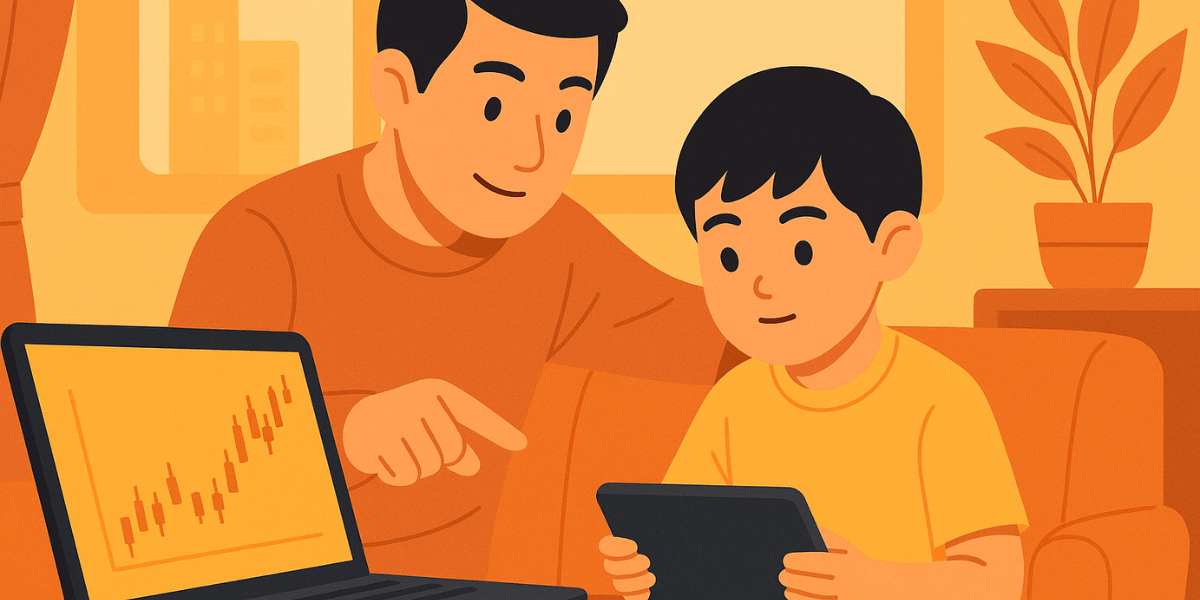
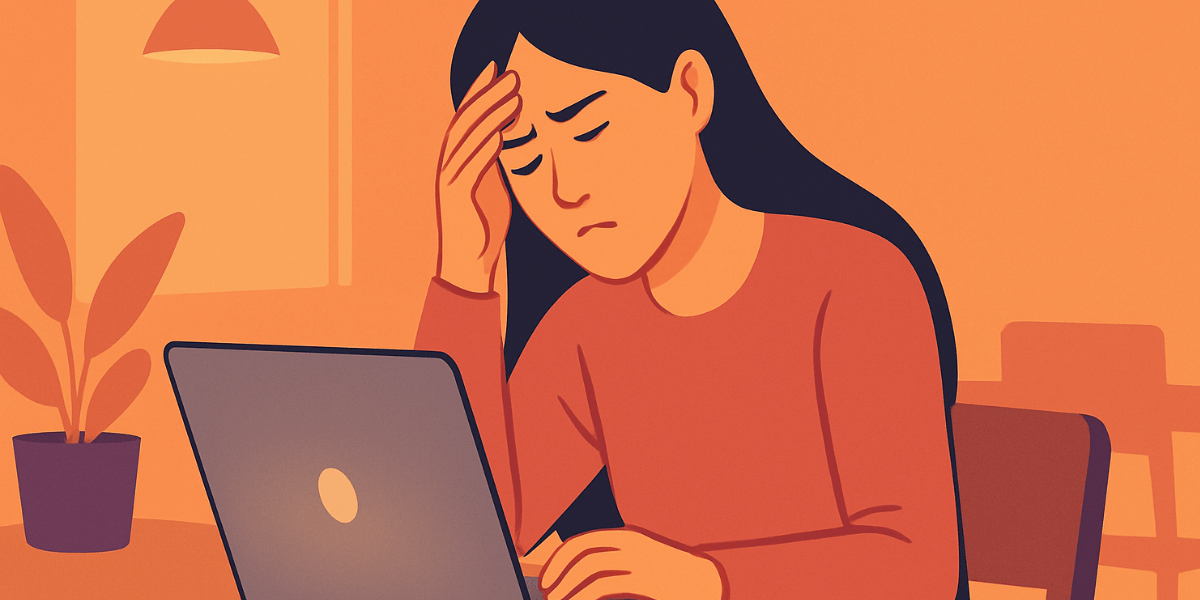
Across Asian universities, the end of exam season triggers a predictable wave of emotional extremes. Relief, exhaustion, pride, anxiety, and mental burnout all collide in a single week. In Indonesia, Singapore, Malaysia, Thailand, and the Philippines, thousands of students step out of their last exam feeling like they have survived a marathon. For many, this is the moment they feel “finally free”—free from deadlines, from studying, from academic pressure. And among student traders, this sudden release of emotional tension leads to something far more dangerous: a behavioral pattern known as revenge trading.
Revenge trading is not a niche concept. It is one of the most destructive psychological traps in all of trading, responsible for countless blown accounts, impulsive trades, and emotional decisions. But it becomes particularly common among university students immediately after exam season. The combination of mental exhaustion and the illusion of regained free time creates a perfect storm. Instead of recovering, they jump into the markets with more aggression, more risk, and more emotional vulnerability than usual.
This article examines why revenge trading spikes during and after university exam seasons in Asia, exploring the complex blend of psychology, cultural pressure, sleep deprivation, and social dynamics that push students toward self-destructive trading behavior. It also looks at the long-term consequences of this pattern and how students can break the cycle before it becomes a damaging habit.
Why Exam Season Is a Psychological Trigger
The Cognitive Cost of Mental Overload
University exam seasons in Asia are notoriously demanding. Students often study for weeks under conditions of extreme focus, limited sleep, and constant anxiety about academic performance. When the human brain is pushed into a state of prolonged stress, it becomes more reactive, less rational, and more sensitive to emotional triggers. Cognitive capacity declines, decision-making slows, and the ability to regulate impulses deteriorates. These are the exact conditions that make revenge trading more likely.
The moment exams end, the brain does not immediately return to a calm and rational state. Instead, it enters a transitional phase where emotional vulnerability is extremely high. Many students underestimate this, thinking that simply being “done” with their exams means they are mentally recovered. But neurologically, the opposite is true. They are exhausted, overstimulated, and drained. In this condition, any loss in the markets—especially a small or normal loss—feels amplified, triggering emotional responses that would not occur under calmer circumstances.
The Sudden Shift From Structure to Freedom
During exam weeks, student life is defined by discipline, schedules, deadlines, and routines. Once exams end, this rigid structure collapses instantly. Students suddenly have long hours of free time with no academic tasks demanding their attention. For traders, this unstructured freedom can become dangerous. The absence of obligations creates an illusion that they can “catch up” on trading hours or make up for the trading opportunities they missed during exam season.
This shift also intensifies emotional reactivity. When people transition from high stress to complete freedom, they often look for activities that feel rewarding. Trading provides rapid feedback and instant gratification, making it highly attractive to students coming out of an intense academic period. But engaging with fast-moving markets while mentally fatigued increases the likelihood of emotional trading, especially when a trade goes against them.
The Social Influence of Student Trading Groups
Many student traders in Asia belong to online or campus trading groups. These communities often become more active after exam season, encouraging discussions about “getting back into the markets,” “recovering lost time,” or “finally trading properly again.” In these environments, revenge trading becomes subtly normalized without anyone realizing it. Students compare profits, share risky setups, and pressure each other to jump into trades immediately.
After exams, the fear of missing out intensifies. Students who avoided trading during exam periods feel behind, believing they must trade aggressively to compensate. This combination of peer pressure and self-imposed expectations further contributes to revenge trading behavior.
The Psychology Behind Revenge Trading After Exams
Losses Feel Personal After Stressful Periods
During exam season, students experience high levels of emotional investment—hours of studying, sleepless nights, and the constant pressure to perform. This investment creates a temporary psychological state where effort becomes tied to identity. After exams, when students return to the markets, their emotional threshold is lower than usual. A small trading loss can feel like another “failure,” triggering a defensive impulse to prove themselves.
This is where revenge trading begins. When a trade goes wrong, the emotional brain interprets it as a threat or an insult. Students feel the need to fight back, to correct the loss immediately, or to regain control over something in their environment now that academic pressure is gone. This creates a spiral where each loss intensifies the desire to win it back.
The Illusion of Time Abundance
One of the biggest psychological traps after exams is the perception of having unlimited time. Students no longer have assignments, classes, or deadlines. This sense of freedom encourages them to take more “time-consuming trades,” stay awake longer, or engage in impulsive strategies they would normally avoid. The belief that they have hours and hours to trade creates a false sense of security, weakening the boundaries they normally maintain around risk.
The illusion of abundant time fuels revenge trading because students believe they can always “fix” a bad trade if they just stay in the markets long enough. This mindset encourages overtrading, forcing trades, and doubling down on positions that should have been closed.
Emotional Energy Seeks a New Outlet
Exam seasons create emotional buildup—stress, frustration, adrenaline, and a deep longing for relief. When exams end, this energy doesn’t simply disappear. It seeks a new outlet. For student traders, markets become the perfect emotional container: fast, unpredictable, stimulating, and ego-driven. This shift can create a dangerous overlap where emotional intensity from academic stress spills directly into trading behavior.
The result is a trading environment driven not by logic or analysis, but by unresolved emotional momentum. Students begin to trade not because the setup is good, but because their mind is still operating in a state of heightened sensitivity and emotional urgency.
How Revenge Trading Unfolds in Real Student Scenarios
The “One Trade to Catch Up” Myth
Many students finish exams feeling they missed weeks of potential opportunities. They enter the markets believing they need just one strong trade to “catch up” on lost progress. This mindset leads them to take larger position sizes than usual or trade assets known for aggressive volatility, such as gold, NASDAQ, or meme-driven cryptocurrencies.
When the trade fails—as it often does due to impulsiveness—the student becomes emotionally destabilized. The desire to recover the loss overrides logic. They re-enter the market immediately, increasing their risk further. Within minutes or hours, an ordinary losing trade spirals into a major account drawdown.
The All-Night Trading Spiral
Because post-exam periods give students extended free time, many attempt overnight trading marathons. They believe they can win back losses if they “just keep going,” turning trading into an endurance test. This behavior mirrors casino psychology, in which players refuse to walk away until they recoup their losses. As students become more fatigued, their reaction time slows, their emotional control collapses, and their judgment becomes clouded.
These sessions often end with students waking up to more losses than they can remember, feeling both ashamed and confused about how the situation escalated so quickly.
The “I Deserve a Win” Mindset
After finishing exams, many students feel they earned a reward. They believe they deserve good outcomes—whether in academics or trading. When markets fail to cooperate, the student feels personally offended. This leads to a dangerous emotional reaction: the belief that the market is being unfair and must be “corrected.” The student chases losses aggressively, convinced that a win is owed to them after weeks of academic suffering.
This mindset is one of the strongest triggers for revenge trading, turning frustration into impulsive financial decisions.
The Long-Term Consequences of Post-Exam Revenge Trading
Emotional Burnout and Disconnection
Revenge trading drains emotional energy. Students who experience account blowups after exams often struggle with feelings of shame, regret, and internal conflict. This emotional damage persists long after the trading session ends, affecting academic motivation, social relationships, and long-term confidence.
The Risk of Developing Toxic Trading Habits
Patterns established during emotionally intense periods can become permanent. If students repeatedly reinforce revenge trading behavior after exams, they may unknowingly train their brains to trade emotionally under stress. This becomes a long-term trading style that leads to chronic account losses and inconsistent performance.
Financial Damage During a Crucial Life Stage
University students often trade with limited funds—savings, allowances, or part-time income. Losing significant capital due to revenge trading has disproportionate consequences for young people. It can discourage their interest in financial markets, create resentment toward trading, or cause financial hardship during an already challenging stage of life.
Breaking the Cycle: How Students Can Protect Themselves
Implementing a Post-Exam Cooldown Period
One of the most effective ways to prevent revenge trading is to mandate a short break after exams. Even 48 to 72 hours can significantly improve emotional stability. During this time, students can sleep, relax, and allow their mind to reset before engaging in the psychological demands of trading.
Returning With Smaller Position Sizes
Re-entering the markets with reduced risk helps students ease back into decision-making without the pressure of large losses. The goal is to rebuild consistency and discipline rather than chase large profits immediately after a stressful period.
Recognizing Emotional States Before Trading
Students should check their emotional condition before placing trades: Am I tired? Am I stressed? Am I seeking excitement? Am I trading because I want revenge for a previous loss? This kind of introspection is essential for maintaining discipline, especially after exam season.
Separating Academic Stress From Trading Stress
Students must understand that emotional states bleed across activities. Academic stress does not vanish the moment exams end—it lingers. Identifying and separating these emotional layers prevents them from contaminating trading decisions.
Conclusion
Revenge trading after university exam seasons is a silent but significant risk for student traders across Asia. The end of exams creates emotional vulnerability, a sense of regained freedom, and a psychological void that markets quickly fill. But without awareness and boundaries, this becomes a destructive cycle that leads to financial loss, emotional burnout, and long-term damage to trading discipline.
Understanding these patterns is the first step. Protecting oneself from them is the next. Students who learn to navigate the emotional landscape of post-exam trading develop stronger discipline, better risk management, and a healthier long-term relationship with financial markets.
Frequently Asked Questions
Why does revenge trading increase after exam season?
Because students experience mental exhaustion, emotional vulnerability, and a sudden increase in free time. These factors lower self-control and make losses feel more personal, triggering impulsive attempts to recover them.
Is revenge trading more common among student traders compared to older traders?
Yes. Students face higher emotional pressure, less trading experience, inconsistent routines, and stronger social influences from peer groups. These conditions make them more likely to trade impulsively after losses.
Does sleep deprivation from exams affect trading decisions?
Absolutely. Lack of sleep reduces reaction time, emotional regulation, and rational judgment. Students trading while tired are significantly more likely to take unnecessary risks and chase losses.
How can students prevent revenge trading after exams?
By taking a brief cooldown period, reducing position sizes, checking emotional states before trading, and avoiding trading marathons during the recovery phase. Discipline and self-awareness are the most effective preventions.
Note: Any opinions expressed in this article are not to be considered investment advice and are solely those of the authors. Singapore Forex Club is not responsible for any financial decisions based on this article's contents. Readers may use this data for information and educational purposes only.