Forex trading promises freedom — the ability to work from anywhere, set your own schedule, and build a career independent of traditional office routines. Yet for many traders, that promise gradually transforms into pressure. The same flexibility that attracts people to trading often becomes a double-edged sword: the boundaries between work and life blur, screen time expands, and mental exhaustion replaces financial motivation. Maintaining work-life balance as a Forex trader is not a luxury — it is a prerequisite for longevity and consistent performance.
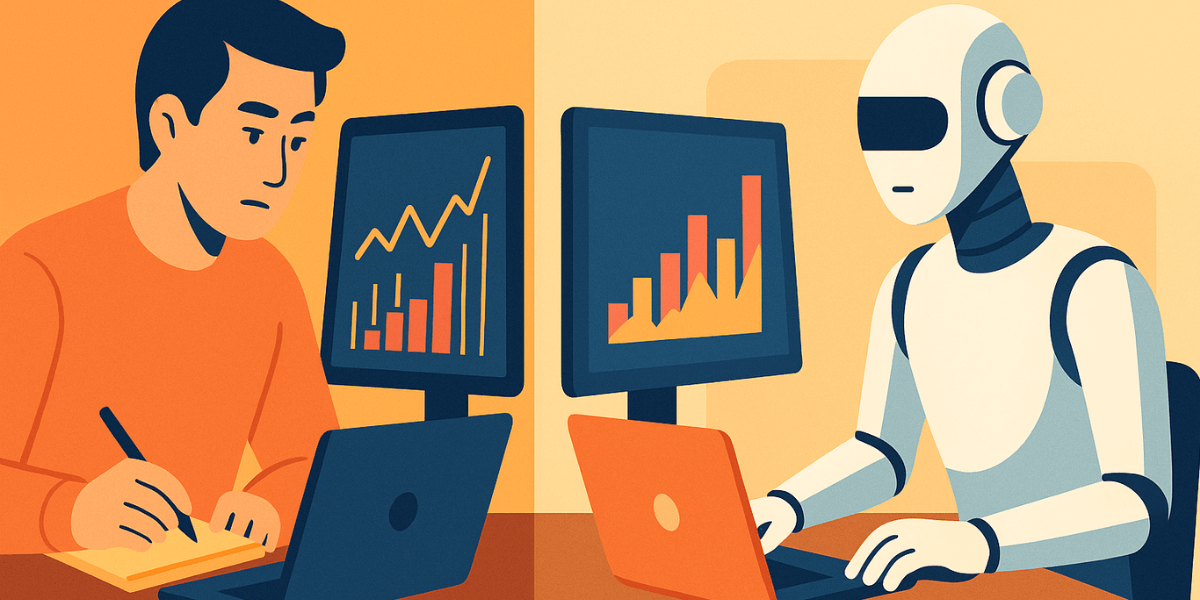
In the high-stakes, fast-moving world of currency markets, where decisions are driven by precision and timing, traders often forget that they are not machines. Just as a professional athlete needs rest days to maintain peak performance, a trader’s mind requires balance between effort and recovery. Without it, burnout, emotional fatigue, and impulsive decision-making become inevitable. This article explores the psychological, behavioral, and practical strategies needed to maintain equilibrium — a balance between ambition and well-being — for a sustainable trading career.
One of the main appeals of Forex trading is the sense of independence it offers. Traders don’t answer to bosses, don’t work on fixed hours, and can theoretically make money from any location. However, this same freedom creates invisible traps. Without external structure, traders often overwork, overtrade, and struggle to disconnect. The market is open nearly 24 hours a day, from Sydney to New York, and this global rotation feeds the illusion that opportunity never sleeps. For undisciplined traders, the result is a lifestyle dominated by constant vigilance, chronic fatigue, and shrinking personal time.
True freedom comes not from working all the time but from controlling when to work and when to stop. The first step toward balance is recognizing that trading is not about constant participation — it’s about selective participation. Just as an athlete competes only after rigorous preparation, traders must learn when to engage with the market and when to rest. Balance begins with understanding that the quality of trading decisions, not the quantity of trades, determines long-term success.
The Psychological Strain of Full-Time Trading
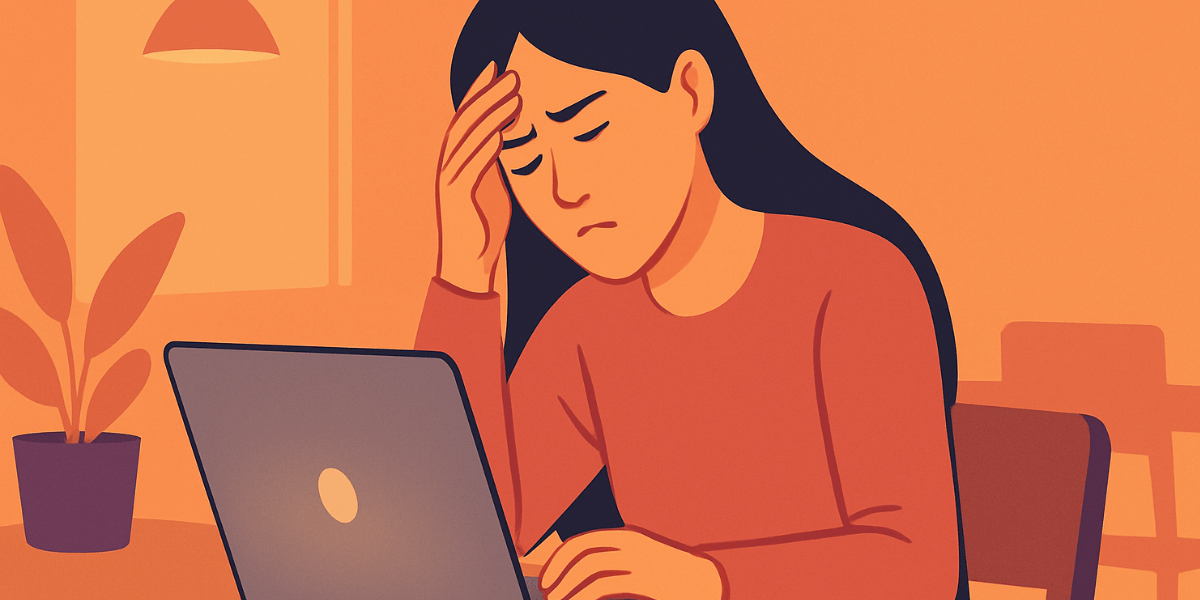
Trading from home sounds relaxing until one experiences its psychological weight. There’s no commute, no team, and no external validation. Every gain feels personal; every loss feels isolating. Over time, traders may experience what psychologists call “decision fatigue” — the gradual decline in mental quality due to constant micro-decisions. Without structured downtime, emotional exhaustion leads to impulsivity, frustration, and burnout.
The isolation of trading can amplify stress. Unlike traditional jobs, there’s no clear endpoint or separation between “office” and “home.” Notifications, news feeds, and price alerts keep the mind tethered to the market. The constant need to “stay updated” corrodes peace of mind. In this state, traders can’t distinguish between work and rest — and the result is diminished focus, declining performance, and reduced life satisfaction. The remedy begins with psychological awareness and boundaries.
Creating Structure in a Boundless Profession
Sports psychology and productivity research agree on one thing: structure liberates focus. Traders must impose external boundaries to replace the natural structure that a traditional job provides. That includes fixed working hours, daily routines, and time-blocking techniques. Without these, trading can consume every waking moment.
A balanced trader’s schedule should include three defined segments: preparation, execution, and review. Preparation involves pre-market analysis — reviewing charts, economic calendars, and risk levels. Execution is the active trading window where decisions are made without distraction. Review is the reflection stage — journaling, assessing mistakes, and logging emotions. Everything outside those windows belongs to personal life. By enforcing time boundaries, traders create psychological separation that protects both focus and rest.
Time Management: Learning When to Step Away
Forex markets operate across multiple sessions — Asian, European, and American — which tempts traders to chase opportunities across time zones. But trading all day is not sustainable. The best professionals identify their peak cognitive hours and align trading activity with those times. For instance, a trader in Asia might focus on the London open, while one in Europe might prioritize the overlap between London and New York. The goal is to find your “prime zone” — when focus, energy, and market liquidity intersect — and limit trading outside that window.
Equally important is scheduling complete disconnection periods. Taking at least one day off per week from charts prevents burnout and restores perspective. Rest is not wasted time; it is maintenance time. Most traders underestimate how much fatigue clouds their judgment. Often, the best trade of the week is the one you didn’t take because you were mentally exhausted. Building rest into your calendar is an act of discipline, not laziness.
Physical Health: The Forgotten Performance Factor
Trading is a sedentary profession. Long hours at a desk, poor posture, and irregular meals quickly erode physical health. Yet, physical condition directly affects mental clarity. Studies show that moderate exercise increases decision-making efficiency by improving blood flow to the brain and reducing cortisol. Traders who incorporate regular physical movement — whether gym sessions, yoga, or short walks — not only improve their health but also stabilize emotional control.
Nutrition plays a similar role. Caffeine and sugar spikes create artificial alertness followed by energy crashes. A balanced diet with hydration and regular meals sustains cognitive performance. Trading under nutritional stress — dehydration, hunger, or excessive caffeine — amplifies emotional volatility. The goal is physiological consistency, not constant stimulation. A healthy trader is a stable trader.
Managing Emotional Energy
Emotional capital is as valuable as financial capital. Every decision in trading consumes emotional energy. Worrying about past trades, tracking every price movement, or checking charts at night depletes this limited resource. Emotional self-regulation requires awareness and recovery practices. Techniques like meditation, controlled breathing, and journaling can help restore equilibrium.
Developing emotional intelligence — the ability to identify and manage emotions — is central to sustainable trading. Recognize when you’re trading for validation or revenge rather than logic. When fatigue and emotion take over, performance deteriorates rapidly. Balance comes from knowing when to disengage. Just as professional athletes rest after performance, traders must mentally detach after sessions. Detachment protects mental clarity and keeps trading in its proper place: a profession, not an identity.
Social Life: Restoring Human Connection
Forex trading can be lonely. Long solitary hours make social isolation a real risk. Building and maintaining social relationships outside trading is crucial for emotional balance. Friends and family provide perspective, grounding traders in reality beyond charts and P&L statements. Simple social habits — coffee with a friend, shared meals, or family walks — act as anchors that prevent trading from consuming your identity.
Another valuable strategy is joining trader communities. Discussing experiences with others who understand the profession reduces isolation. However, the goal is not to compete or brag — it’s to share lessons and support each other’s growth. Healthy social connection balances the intensity of trading’s solitary nature.
Technology Boundaries and Digital Detox
Modern trading is inseparable from technology, but constant connectivity is both a gift and a curse. Checking trades from your phone, refreshing charts at dinner, or sleeping next to notifications creates psychological hyper-vigilance. Over time, this addiction to information erodes rest quality and focus.
Digital detox doesn’t mean disconnecting permanently — it means reclaiming control. Set clear boundaries: no trading apps on your phone during personal hours, no market checks after a set time, and notifications off after sessions close. Use “screen-free hours” to reset your sensory balance. A rested mind sees the market more clearly. A mind addicted to screens sees only noise.
Financial Planning and Stress Reduction
One major source of imbalance in trading life is financial insecurity. Traders often pressure themselves by risking too much, trading to pay bills, or forcing results to meet monthly expectations. This transforms trading into survival rather than strategy. Financial stress spills into personal life, damaging relationships and health.
The solution is proper financial planning: maintaining savings outside the trading account, using conservative risk allocation, and treating profits as performance bonuses rather than income. The goal is to trade from a position of stability, not desperation. A trader who separates personal finances from trading capital can think clearly and act rationally. Financial planning is emotional risk management by another name.
Integrating Family and Work
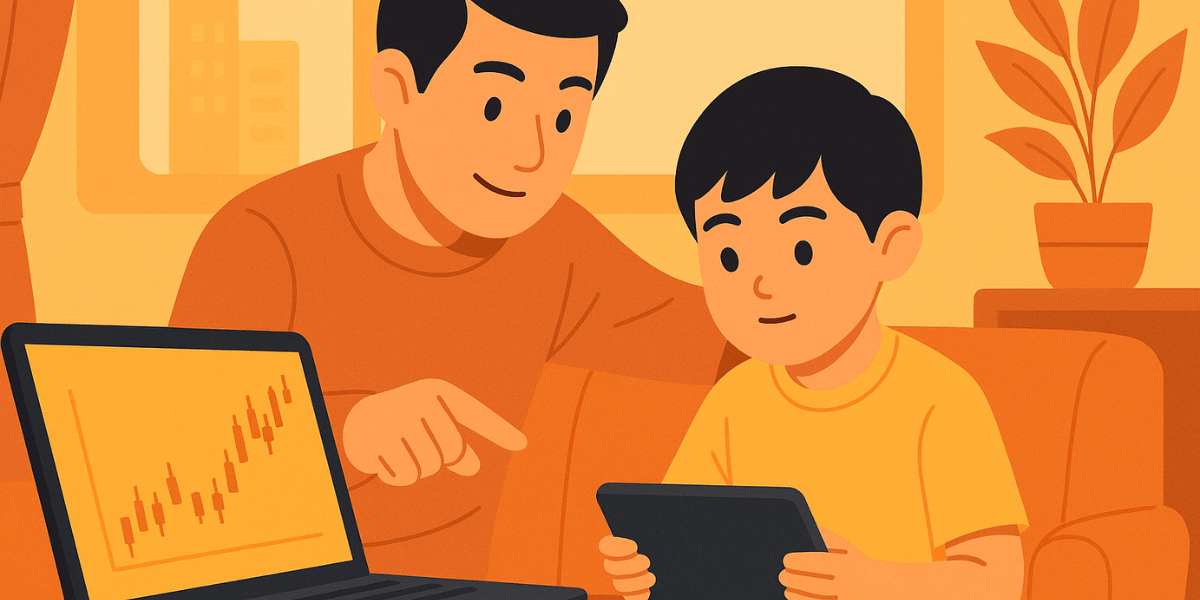
Balance does not always mean separation — sometimes it means integration. Family members who understand your trading routine can support it rather than compete with it. Communicate your schedule, explain what trading requires, and establish times of full availability. A partner who knows that your “London session hours” are work hours is less likely to feel neglected if they also know that your evenings are sacred family time.
Involving family in the bigger picture — your goals, challenges, and achievements — creates empathy and shared understanding. The healthier your relationships, the more stable your trading mindset becomes. Emotional support acts as a stabilizer, preventing overreaction to losses and overconfidence after wins.
Table: Key Strategies for Work-Life Balance in Forex Trading
| Area | Strategy | Goal |
|---|---|---|
| Time Management | Fixed trading hours and full days off weekly | Prevent fatigue and maintain rhythm |
| Physical Health | Exercise and balanced nutrition | Enhance cognitive and emotional stability |
| Emotional Regulation | Meditation, journaling, and reflection | Preserve focus and reduce impulsivity |
| Social Life | Dedicated family and community time | Counter isolation and maintain perspective |
| Technology | Digital boundaries and device-free hours | Reduce stress and mental overload |
| Financial Planning | Separate personal savings from trading funds | Lower pressure and improve risk decisions |
Conclusion
Many traders enter the markets with the dream of freedom, only to find themselves more enslaved to their screens than they ever were to a traditional job. They wake up checking charts, eat while monitoring positions, and fall asleep thinking about entries and exits. The boundary between work and life vanishes. Over time, this constant mental occupation erodes creativity, patience, and emotional balance — the very qualities a trader needs to perform well. The market, like any demanding opponent, exploits weakness. Burnout, fatigue, and frustration eventually manifest in impulsive trades and erratic results. Work-life balance is not a luxury; it is a defense mechanism that protects consistency, longevity, and mental clarity.
To restore balance, traders must first reframe how they view time. The market will always be open somewhere in the world. There will always be another setup, another opportunity, another headline. The trader’s edge comes not from chasing all opportunities but from choosing which ones to engage with. Learning to say “no” — to overtrading, to unnecessary screen time, to the illusion of constant productivity — is the first sign of maturity. Just as a professional athlete does not compete every hour of every day, a professional trader must train, perform, and rest in cycles. True performance thrives on rhythm, not chaos.
That rhythm begins with structure. Defining work hours creates boundaries for focus, while defining rest hours creates space for recovery. Successful traders approach their day like performance professionals: they prepare mentally and physically before trading, focus intensely during execution, and decompress afterward. This cyclical process prevents emotional accumulation — the buildup of stress that leads to burnout. When trading sessions have clear beginnings and endings, the mind learns when to engage and when to let go. Without that separation, trading leaks into every corner of life, diluting both performance and happiness.
Physical and emotional health are equally essential components of this balance. Trading is an intellectual pursuit, but it rests on a biological foundation. A tired or unhealthy body produces poor decisions. Posture, breathing, hydration, and exercise might seem trivial compared to technical analysis, yet they shape every trading decision indirectly. Fatigue reduces patience, hunger sharpens irritability, and dehydration clouds focus. When traders treat their body like an afterthought, their mind eventually follows. In contrast, traders who move regularly, eat mindfully, and respect their physiological limits discover a mental sharpness that no technical indicator can replicate.
Equally critical is emotional balance — the capacity to experience losses, uncertainty, and temporary frustration without internal collapse. Markets are unpredictable by nature; the trader who expects constant control is setting themselves up for suffering. The antidote is emotional awareness: recognizing stress before it mutates into reaction. Techniques such as mindfulness, journaling, and short meditative breaks can reset the nervous system between trades. Taking a few deep breaths, stepping away from the desk, or simply acknowledging frustration prevents escalation. Emotional composure does not mean apathy; it means mastering response. A balanced trader feels everything but acts on nothing impulsively.
Social connection reinforces this resilience. Relationships ground traders in reality beyond charts. Friends, family, and hobbies remind them that life’s worth extends beyond P&L statements. When traders isolate themselves, their identity fuses with market performance — a dangerous psychological trap. A losing streak then feels like personal failure rather than professional variance. Regular interaction with others restores proportion and perspective. Talking, laughing, and engaging in activities unrelated to trading keep the ego in check and prevent emotional overidentification with the market. In other words, time spent outside trading makes time spent trading more effective.
Technology boundaries are the final piece of the puzzle. The modern trader’s biggest threat is not lack of opportunity but overexposure. Smartphones, alerts, and news feeds create a constant drip of stimulation. This perpetual vigilance blurs the line between awareness and obsession. Establishing screen-free zones, disabling alerts after trading hours, and separating work devices from personal ones helps reclaim mental bandwidth. The mind performs best in cycles of focus and rest; perpetual connection destroys that rhythm. A trader who learns to disconnect gains clarity — and ironically, better timing — upon return.
Financial planning also contributes to psychological stability. Traders who depend on every trade to cover bills invite fear into their process. Fear distorts judgment. Having savings and diversified income streams allows traders to operate with patience and objectivity. Emotional detachment becomes possible when survival is not on the line. The less financial desperation a trader feels, the more rationally they can apply their edge. Money management, therefore, is not merely about protecting capital; it is about protecting mindset.
Frequently Asked Questions
How many hours a day should a Forex trader work?
Most successful traders focus on key sessions, typically 3–5 hours per day. More hours do not equal more profit — quality of focus matters more than time spent.
How can I separate work from personal life when trading from home?
Create physical and temporal boundaries: a dedicated workspace, defined trading hours, and a shutdown ritual that signals the end of work.
Does taking breaks affect trading performance?
Breaks improve performance by restoring concentration and reducing emotional bias. Consistent recovery increases long-term profitability.
What’s the best way to avoid burnout as a trader?
Use structured routines, exercise regularly, and enforce daily screen limits. Balance market exposure with personal activities that recharge your mind.
How can family or social life support trading success?
Strong relationships reduce stress and provide emotional grounding. Communicating your schedule and involving loved ones creates understanding and support.
Is work-life balance really possible in Forex trading?
Absolutely. It requires discipline, structure, and self-awareness. The market never stops, but you must — intentionally — to sustain long-term performance.
Note: Any opinions expressed in this article are not to be considered investment advice and are solely those of the authors. Singapore Forex Club is not responsible for any financial decisions based on this article's contents. Readers may use this data for information and educational purposes only.