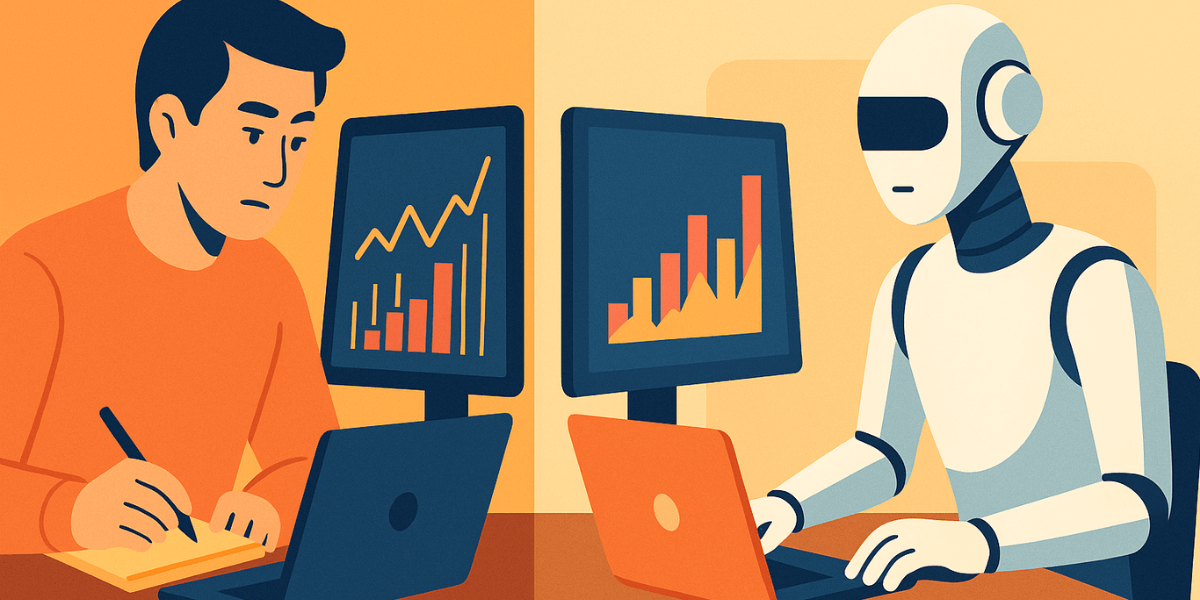
Mental sharpness is as crucial as analytical skill for finance. Long trading sessions—especially those spanning volatile hours across London, New York, and Asian markets—demand sustained attention, emotional stability, and precise decision-making under stress. Yet many traders underestimate a key variable affecting their performance: cognitive endurance. This is not about intelligence or strategy, but the brain’s ability to maintain focus, resist fatigue, and process complex data for extended periods without decline in quality or judgment.
As algorithmic trading accelerates and human traders compete against machines, cognitive endurance has become the human advantage that separates consistent professionals from impulsive amateurs. Building this endurance requires understanding how the brain handles attention, energy, and stress—then training it systematically, much like athletes build physical stamina.
This article explores the neuroscience of sustained performance, reveals how cognitive fatigue erodes trading accuracy, and offers practical, evidence-based strategies to train the mind for long, high-stakes sessions in Forex, equities, and crypto markets.
The Neuroscience of Trading Fatigue
Every trading decision consumes mental energy. Each chart interpreted, each risk calculated, each hesitation analyzed drains glucose and neurotransmitters in the prefrontal cortex—the part of the brain responsible for focus, working memory, and decision control. Over long sessions, this depletion leads to what neuroscientists call “ego depletion” or “decision fatigue.”
When the brain is fatigued, reaction times slow, biases increase, and risk perception becomes distorted. Traders start to deviate from their strategy, chase losses, or overlook key signals. The cognitive system shifts from deliberate reasoning to instinctive shortcuts—precisely when discipline is most required.
Key Cognitive Processes in Trading
- Working Memory: The ability to hold and manipulate real-time information, like simultaneous price levels or macro data.
- Selective Attention: Focusing on relevant signals while ignoring noise—essential when analyzing multiple screens or currency pairs.
- Executive Control: Regulating impulses, managing stress, and adhering to predefined rules even under pressure.
- Pattern Recognition: The trader’s intuitive sense for price structure, developed over years of experience, but vulnerable to fatigue.
Building cognitive endurance means strengthening these processes through deliberate routines that balance neural demand with recovery and precision.
Understanding Cognitive Load in Trading
Each trading session presents varying levels of cognitive load—the mental effort required to process information. During calm markets, the load remains moderate; but in volatile conditions (e.g., around economic releases or sudden geopolitical events), it spikes sharply. The trader’s task is not to avoid load but to manage it effectively.
Types of Cognitive Load
- Intrinsic Load: The inherent difficulty of the task, such as interpreting multi-timeframe analysis or managing multiple open positions.
- Extraneous Load: Distractions from noise, notifications, or emotional stress—unnecessary burdens on mental bandwidth.
- Germane Load: Productive effort that reinforces skill, like reflecting on performance or journaling trades.
The goal of cognitive endurance training is to reduce extraneous load and balance intrinsic and germane effort across long sessions. This equilibrium prevents burnout and enhances consistency.
Signs of Declining Cognitive Performance
Most traders realize they’re fatigued only after performance collapses. But subtle cognitive indicators appear earlier. Recognizing them allows for preemptive recovery before damage occurs.
- Over-analyzing simple setups or second-guessing trades you’d normally execute with confidence.
- Difficulty maintaining chart focus; eyes “slide” across data without real absorption.
- Rising irritability or frustration, often expressed through impulsive trades or revenge trading.
- Forgetting open positions, alerts, or risk limits.
- Decreased sensitivity to position size or risk exposure—often the prelude to major losses.
Professional traders monitor not only P&L metrics but cognitive performance indicators throughout the day. A tired brain is as dangerous as poor risk management.
Building Cognitive Endurance: Foundations
Like physical stamina, cognitive endurance improves through structured training, nutrition, rest, and progressive exposure to challenge. Below are foundational principles to build a resilient, high-performing trading mind.
1. Nutrition for Neural Efficiency
The brain consumes approximately 20% of the body’s energy, primarily in the form of glucose and oxygen. However, not all energy sources sustain cognitive function equally. Complex carbohydrates (oats, brown rice, fruit) provide steady fuel, while caffeine and sugar spikes can produce temporary focus followed by crashes.
- Start sessions after a balanced meal combining slow carbs, lean protein, and hydration.
- Avoid heavy meals mid-session—they divert blood flow to digestion and impair alertness.
- Use caffeine strategically (e.g., in early trading hours), but avoid dependency cycles that desensitize neural receptors.
- Consider brain-supportive micronutrients: omega-3 fatty acids, magnesium, and B-complex vitamins improve neurotransmission and resilience.
2. The Role of Sleep in Neural Regeneration
Sleep is the trader’s invisible edge. During deep sleep, the brain clears metabolic waste through the glymphatic system and consolidates memory patterns essential for strategy recall and emotional balance. Chronic sleep debt impairs accuracy and emotional regulation more severely than mild intoxication.
Studies show that traders sleeping fewer than six hours per night experience significant drops in risk-adjusted performance. Long-term, this manifests as decision rigidity and reduced adaptability—a death sentence in fast-moving markets.
- Maintain consistent sleep schedules—even during global market crossovers.
- Use short naps (15–25 minutes) strategically to restore alertness during extended sessions.
- Minimize screen exposure one hour before rest; blue light delays melatonin release and sleep onset.
3. Structured Focus Cycles
The brain operates in attention cycles—typically 60–90 minutes of peak focus followed by natural declines. Ignoring these rhythms leads to diminishing returns. Traders should schedule micro-rests within long sessions to maintain cognitive freshness.
- Use 90-minute trading sprints with 10–15-minute decompression breaks (stretching, deep breathing, hydration).
- During breaks, avoid consuming market information; let the cognitive system fully reset.
- Use “off-screen” intervals to review strategy execution rather than market outcomes.
4. Physical Conditioning and Oxygenation
Brain endurance depends on cardiovascular efficiency. Physical exercise increases blood flow, neurogenesis, and neurotransmitter availability. Traders who exercise regularly demonstrate greater concentration, faster recovery from losses, and lower stress reactivity.
Even brief workouts (15–20 minutes of brisk walking or light weights) before sessions enhance alertness by increasing oxygen supply to the frontal lobes.
Advanced Techniques for Sustained Focus
Beyond basic health factors, elite traders cultivate mental endurance through structured cognitive training and environmental optimization.
1. Mindfulness and Cognitive Control
Mindfulness meditation strengthens the brain’s anterior cingulate cortex and insula—areas linked to attention and emotion regulation. Regular practice reduces reactivity to losses and maintains focus amid uncertainty.
- Begin or end trading days with 10 minutes of mindful breathing or guided awareness.
- During drawdowns, use brief mindfulness resets (e.g., 60 seconds of deep breathing) to prevent emotional escalation.
- Mindfulness is not about detachment but control—staying engaged without being consumed by volatility.
2. Cognitive Interval Training
This technique alternates periods of intense focus with deliberate cognitive rest. For example, analyzing complex charts for 45 minutes, followed by 10 minutes of physical movement or visualization. These cycles condition the brain to handle prolonged analytical load while minimizing burnout.
3. Visualization and Scenario Simulation
Elite athletes use visualization to rehearse performance; traders can do the same. Mentally simulating trades activates similar neural pathways to live execution, strengthening cognitive endurance for real conditions.
- Visualize opening the trading terminal, analyzing signals, managing emotions during drawdown, and executing exits.
- Include “failure simulations”—imagine mistakes and practice regaining focus calmly.
- Regular visualization rewires stress responses and improves confidence under fatigue.
4. Environmental Optimization
Your trading environment directly affects mental performance. A cluttered or noisy workspace increases cognitive load. Optimize physical and digital spaces for clarity, comfort, and focus.
- Keep visual stimuli minimal—organized charts, neutral color backgrounds, and no unnecessary screens.
- Use ergonomic setups: proper monitor height, wrist support, and balanced lighting to reduce strain.
- Maintain room temperature between 21–23°C; thermal discomfort drains concentration faster than visual noise.
Building Emotional Endurance
Cognitive endurance is inseparable from emotional stability. Long sessions amplify frustration, boredom, and overconfidence—all enemies of rational decision-making. Emotional fatigue often manifests as mental fatigue.
1. Emotional Journaling
Document emotional states alongside trades. This helps identify triggers of cognitive decline (e.g., fatigue-driven impatience or fear). Journaling transforms vague stress into measurable data that can be corrected through awareness.
2. The “Reset Protocol”
When fatigue escalates or impulsivity appears, stop trading immediately. Step away for 10 minutes, breathe, stretch, or step outside. Reset physiology before re-engaging. This prevents cascading emotional errors.
3. Community and Accountability
Loneliness magnifies cognitive exhaustion. Participating in trading groups or sharing end-of-day reflections builds perspective and reduces the psychological load of solitary decision-making. Accountability fosters discipline and helps detect fatigue-related mistakes early.
Technology and Cognitive Enhancement
Modern tools can support mental endurance—if used wisely. From biofeedback devices to neurotraining software, technology can quantify and optimize cognitive resilience.
1. Biofeedback and HRV Monitoring
Heart Rate Variability (HRV) devices measure physiological stress and recovery. Maintaining high HRV correlates with improved focus and emotional control. Traders can use HRV tracking to schedule breaks before performance deteriorates.
2. Noise and Distraction Control
Apps like focus timers or ambient sound generators reduce cognitive fragmentation. Consider pairing trading platforms with background frequencies scientifically shown to enhance focus (e.g., beta or low-gamma range tones).
3. Cognitive Load Analytics
AI-based software can analyze trading behavior—time on chart, decision sequences, hesitation intervals—to detect cognitive fatigue in real time. Such systems allow traders to adjust before critical decline sets in.
Long-Term Habits for Sustainable Endurance
Building cognitive endurance is not a single protocol but a lifestyle. Sustainable results emerge from consistent habits that align the body, mind, and trading environment.
- Establish pre-trading routines (hydration, review, breathing exercises) to prime focus.
- End each session with reflection rather than immediate disengagement; summarize mental state and improvements.
- Integrate rest days with zero screen exposure to allow full neural recovery.
- Use weekends or low-volatility periods for non-market cognitive activities—reading, creative work, or nature immersion.
Conclusion
In long trading sessions, the most valuable asset is not capital but clarity. Cognitive endurance allows traders to maintain high-quality decision-making across volatile conditions, resist impulsive behavior, and recover from setbacks efficiently. It transforms trading from reactive survival to deliberate performance.
Building this endurance requires a blend of neuroscience and discipline—fueling the brain properly, resting strategically, training focus cycles, and maintaining emotional balance. The result is not just longer trading hours but higher-quality thinking across them.
In an era where data never sleeps, those who master cognitive endurance will outlast algorithms—not by processing faster, but by staying clear, calm, and consistent when others fade.
Frequently Asked Questions
What is cognitive endurance in trading?
Cognitive endurance is the brain’s ability to maintain focus, decision quality, and emotional balance throughout extended trading sessions, even under stress or fatigue.
How can traders improve mental stamina?
Through structured routines: balanced nutrition, consistent sleep, mindfulness, physical exercise, and focus cycles that combine intense analysis with recovery periods.
Why does fatigue cause bad trading decisions?
When the brain tires, it relies on shortcuts and emotional impulses, reducing risk awareness and increasing bias. Fatigue directly impairs prefrontal control.
Are supplements useful for improving focus?
Only when combined with foundational habits. Omega-3, magnesium, and B-complex vitamins support brain health, but no pill replaces proper sleep and discipline.
How long should a trader focus without a break?
Most traders perform optimally in 60–90-minute cycles followed by 10–15 minutes of recovery. Beyond that, concentration and accuracy decline sharply.
Note: Any opinions expressed in this article are not to be considered investment advice and are solely those of the authors. Singapore Forex Club is not responsible for any financial decisions based on this article's contents. Readers may use this data for information and educational purposes only.