Forex trading is often described as a technical, numbers-driven activity, but its impact extends far beyond charts and price action. For many traders across Asia, especially those balancing demanding careers, family expectations, and relationship commitments, trading can quietly reshape personal dynamics. Time zone pressures, emotional volatility, financial uncertainty, and cognitive overload can all influence how traders interact with partners, family members, and close friends. Learning how to balance relationships and Forex trading is therefore not just a lifestyle concern, but a critical component of long-term trading sustainability.
In Asian societies, where social harmony, family responsibility, and long-term stability are highly valued, the tension between market participation and personal relationships can be particularly pronounced. Forex markets operate continuously, emotional cycles repeat relentlessly, and performance pressure rarely stays confined to the trading desk. This article explores how Forex trading affects relationships, why imbalance often occurs, and how traders can build healthier structures that protect both their trading performance and their personal lives.
The Psychological Load of Forex Trading
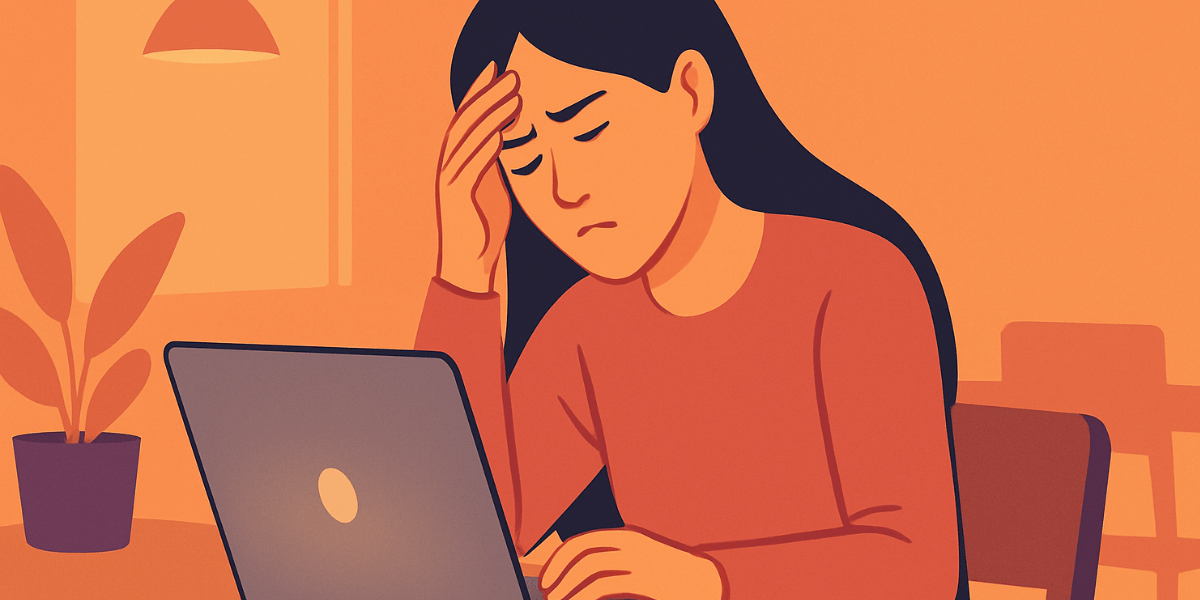
Forex trading demands constant decision-making under uncertainty. Even disciplined traders experience periods of drawdown, missed opportunities, and emotional fatigue. This psychological load does not disappear when trading hours end. Instead, it often spills into personal interactions through irritability, withdrawal, over-analysis, or emotional detachment.
Many Asian traders operate during overlapping sessions, particularly the London and New York opens, which often occur late at night or early in the morning in Asia. This disrupts sleep patterns and reduces availability for family or partners. Over time, chronic fatigue amplifies emotional reactivity, making small relationship issues feel disproportionately intense.
Unlike traditional professions, Forex trading offers no fixed milestones or external validation. Wins feel temporary, losses feel personal, and uncertainty becomes a permanent companion. When traders internalize these pressures without emotional outlets, relationships often absorb the overflow.
Why Relationships Often Suffer When Trading Becomes Central
One of the most common problems is time asymmetry. Forex trading does not respect weekends, holidays, or family events. Markets move when they move. Traders who fail to establish boundaries often find themselves physically present but mentally absent, constantly checking charts, positions, or economic calendars.
Another issue is emotional inconsistency. A profitable week can bring confidence and generosity, while a losing streak may trigger silence, defensiveness, or emotional distance. Partners may struggle to understand these mood shifts, especially when financial risk is involved.
In cultures where financial responsibility and stability are deeply tied to identity, such as in Singapore, Japan, or South Korea, trading losses may generate shame or secrecy. Traders may hide drawdowns or exaggerate success, creating trust gaps that erode relationship foundations over time.
Communication: The Core Balancing Mechanism
Healthy balance begins with transparent communication. Partners do not need technical explanations of Forex strategies, but they do need clarity about time commitments, financial exposure, and emotional cycles. Explaining when markets demand focus and when they do not helps normalize trading rhythms.
Successful traders often schedule explicit non-trading time, treating it with the same seriousness as risk management rules. This creates predictability, which is essential for relationship stability. When partners know that attention is guaranteed at specific times, they are less likely to feel neglected during trading hours.
Communication also involves acknowledging emotional states. Saying “this was a difficult trading day” is more constructive than withdrawing or masking frustration. Emotional honesty reduces misinterpretation and prevents partners from internalizing market-driven stress.
Setting Structural Boundaries Between Trading and Personal Life
Boundary-setting is a skill, not an instinct. Traders who operate without structure often allow markets to dictate their entire daily rhythm. Over time, this creates resentment from partners and burnout for the trader.
Effective boundaries include defined trading sessions, strict limits on mobile chart-checking during personal time, and physical separation between trading spaces and shared living areas. Even small rituals, such as closing platforms at a fixed hour, help signal psychological transitions away from trading mode.
For Asian traders living in compact urban environments, where space is limited, mental boundaries become especially important. A clear rule—such as no trade discussions during meals or family gatherings—can significantly reduce relational friction.
Financial Transparency and Shared Risk Awareness
Forex trading introduces financial uncertainty, which directly affects relationship security. Problems arise when one partner bears emotional or financial risk without clear consent or understanding.
Healthy balance requires explicit agreements around capital allocation, risk limits, and worst-case scenarios. Trading capital should never overlap with essential household funds, savings for education, or emergency reserves. This separation reduces anxiety and protects relational trust.
In many Asian households, long-term planning is a collective responsibility. Including partners in high-level financial discussions—even without technical detail—reinforces alignment and reduces fear driven by uncertainty.
The Role of Identity: Trader vs Partner
Many traders unconsciously allow trading results to define their self-worth. When identity becomes overly tied to performance, relationships suffer. Losses feel like personal failures, and interactions become defensive or self-protective.
Maintaining multiple identity anchors—partner, parent, friend, professional—creates emotional resilience. When trading is no longer the sole source of validation, setbacks become easier to process without relational fallout.
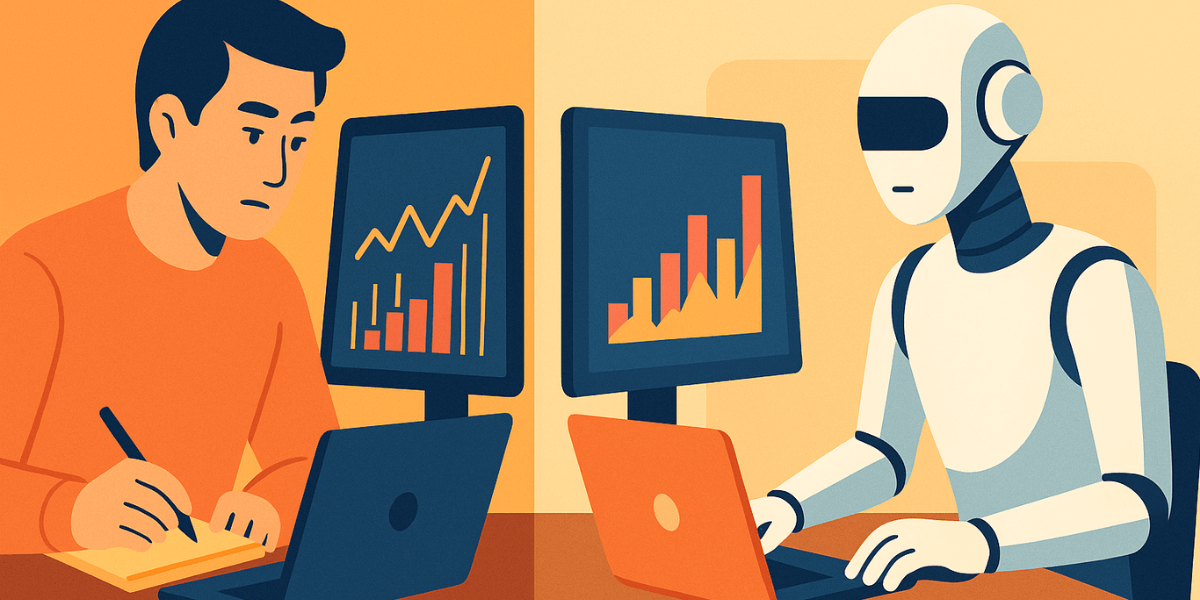
Experienced traders often report that emotional balance outside trading improves decision-making inside the market. Stability at home reduces impulsivity, revenge trading, and overexposure.
When Trading and Relationships Support Each Other
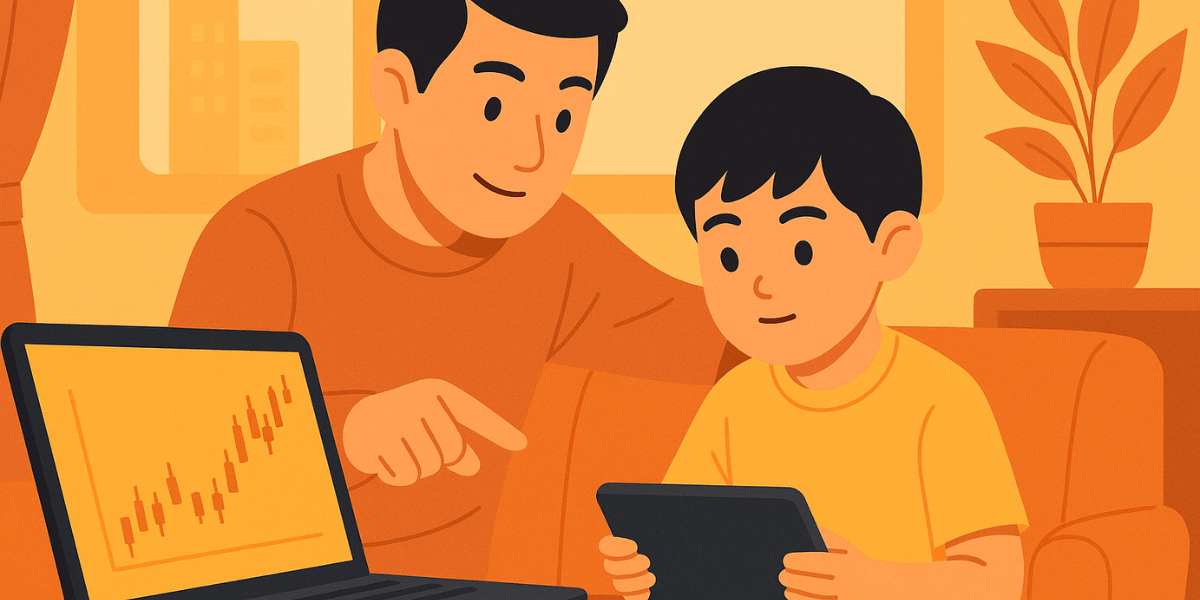
Contrary to popular belief, Forex trading does not inherently damage relationships. When managed correctly, it can strengthen them. Shared goal-setting, mutual respect for boundaries, and emotional literacy transform trading from a source of tension into a structured pursuit.
Partners who feel informed rather than excluded often become supportive observers rather than silent critics. Traders who feel emotionally supported tend to trade more patiently, respecting risk parameters instead of forcing outcomes.
In Asian contexts, where collective success often outweighs individual ambition, framing trading as a long-term process rather than a constant performance test aligns expectations on both sides.
Conclusion
Balancing relationships and Forex trading is not about choosing one over the other. It is about building systems that allow both to coexist without constant friction. Trading demands discipline, emotional control, and long-term thinking—the same qualities that sustain healthy relationships.
For Asian traders navigating cultural expectations, time zone challenges, and high performance pressure, balance requires deliberate design. Clear communication, structural boundaries, financial transparency, and emotional awareness are not optional luxuries; they are strategic necessities.
Ultimately, trading success that comes at the cost of personal relationships is rarely sustainable. The most resilient traders are those who understand that emotional stability outside the market is not a distraction, but a competitive advantage.
Frequently Asked Questions
Can Forex trading negatively affect relationships?
Yes, especially if time management, emotional stress, and financial risk are not properly controlled. However, with clear boundaries and communication, many traders maintain healthy relationships.
How much time should a Forex trader dedicate to relationships?
There is no fixed number of hours, but consistency matters more than quantity. Scheduled, uninterrupted personal time is more valuable than frequent but distracted presence.
Should traders share their trading results with partners?
Sharing high-level performance and risk exposure builds trust. Partners do not need technical details, but transparency reduces anxiety and misunderstanding.
Is it better to trade secretly to avoid conflict?
No. Secrecy usually increases long-term conflict and erodes trust. Open discussion of goals and risks is healthier for both trading and relationships.
Can relationship stress affect trading performance?
Absolutely. Emotional instability outside the market often leads to impulsive decisions, poor risk management, and reduced discipline during trading.
Note: Any opinions expressed in this article are not to be considered investment advice and are solely those of the authors. Singapore Forex Club is not responsible for any financial decisions based on this article's contents. Readers may use this data for information and educational purposes only.