At first glance, study cafés in East Asia appear purpose-built for academic concentration: quiet interiors, individual desks, soft lighting, minimal conversation, and long operating hours. Their original purpose was straightforward—provide students with a controlled environment for exam preparation, self-study, and disciplined focus outside crowded homes or libraries.
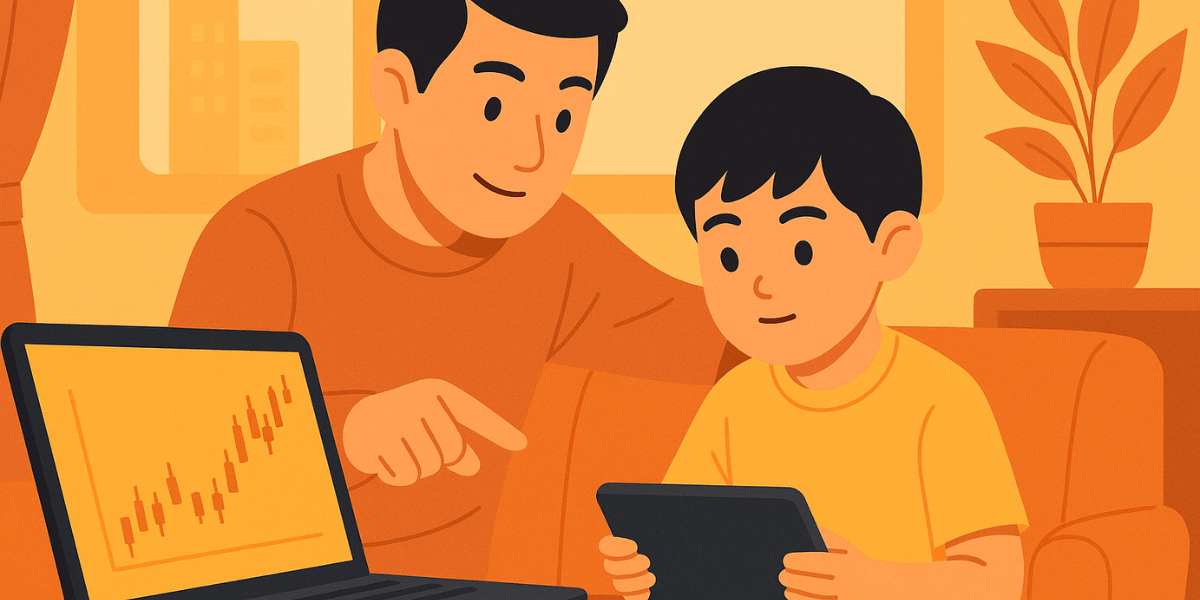
Yet over the past decade, these same spaces have quietly evolved into something else. In both [South Korea](chatgpt://generic-entity?number=0) and [Japan](chatgpt://generic-entity?number=1), study cafés have become unlikely hubs for retail day traders. Laptops displaying candlestick charts now sit beside textbooks. Noise-canceling headphones replace flashcards. Coffee refills fuel not memorization, but market analysis.
This transformation did not happen by accident. It emerged at the intersection of cultural study discipline, digital trading accessibility, urban living constraints, and the psychological demands of modern speculative markets. Understanding why study cafés became fertile ground for day trading reveals much about how retail trading culture has adapted to East Asian social norms—and how space, silence, and structure shape financial behavior.
This article explores how and why this shift occurred, what it says about traders in Korea and Japan, and why these environments continue to attract individuals who treat trading not as gambling, but as a cognitive performance discipline.
The Origin of Study Cafés in Korea and Japan
Study cafés emerged as a response to intense academic pressure. In South Korea, the culture of private study rooms—often called “study cafés” or “reading rooms”—expanded rapidly alongside the country’s competitive education system. These spaces offered hourly or daily access to individual desks, high-speed internet, and strict noise policies.
Japan followed a parallel path. With small living spaces and multi-generational households common in major cities, quiet personal environments were scarce. Study cafés filled that gap by providing solitude without the social obligations of traditional cafés or libraries.
Crucially, these cafés were designed around endurance. Many operate 24/7, offer ergonomic seating, and minimize sensory distraction. The environment is intentionally neutral—no music, no chatter, no visual clutter. This design philosophy would later prove highly compatible with the demands of active trading.
The Rise of Retail Trading in East Asia
The early 2010s marked a turning point in retail participation in financial markets across Asia. Online brokerages lowered barriers to entry, mobile trading platforms matured, and global market access became available with minimal capital.
In South Korea, retail investors—often referred to domestically as “ants”—became a powerful force in equities and derivatives. Japan, already home to one of the world’s most active retail FX communities, saw renewed interest driven by ultra-low interest rates and global volatility.
Unlike casual investors elsewhere, many East Asian retail traders approached markets with a quasi-professional mindset. Trading was framed not as entertainment, but as a skill to be studied, refined, and practiced. This mentality aligned naturally with study-oriented environments.
Why Study Cafés Fit Day Trading Perfectly
Day trading is cognitively demanding. It requires sustained attention, emotional regulation, rapid decision-making, and resistance to distraction. Study cafés inadvertently offer many of the conditions required for this type of work.
First, silence is enforced socially rather than technically. Unlike home environments, where interruptions are unpredictable, study cafés rely on shared norms. Everyone present expects quiet. This creates a self-regulating ecosystem of focus.
Second, time is structured. Many study cafés operate on hourly passes, which encourages intentional work sessions. Traders often align these blocks with market sessions—Asian open, London overlap, or U.S. pre-market—creating a ritualized workflow.
Third, anonymity reduces social pressure. Unlike co-working spaces, study cafés discourage conversation. Traders can work for hours without explaining what they are doing or justifying their screen activity. This psychological privacy matters in cultures where speculative trading can still carry stigma.
The Psychological Appeal for Traders
Trading is emotionally taxing. Losses are private, wins are fleeting, and uncertainty is constant. Many traders seek environments that reduce emotional volatility rather than amplify it.
Study cafés provide emotional neutrality. There are no televisions, no loud conversations, no social comparisons. This dampened sensory field helps traders regulate arousal levels, reducing impulsive behavior.
For solo traders, the presence of others working silently also creates a subtle accountability effect. Seeing others focused reinforces discipline without direct interaction. This mirrors the psychological benefits of shared study halls and libraries.
From Students to Traders: A Natural Transition
Many day traders in Korea and Japan began their journey as students using study cafés for academic purposes. As they graduated and entered the workforce—or opted for independent paths—these spaces remained familiar.
Instead of abandoning the environment, they repurposed it. Textbooks were replaced by economic calendars. Practice exams gave way to backtesting spreadsheets. The café remained constant; the objective changed.
This continuity lowered friction. Traders did not need to reinvent their work habits or search for new environments. The café was already optimized for long sessions of quiet concentration.
Technology Made the Shift Possible
None of this would have been possible without technological convergence. High-speed Wi-Fi, cloud-based trading platforms, and lightweight laptops enabled professional-grade trading from almost anywhere.
Study cafés, designed to support students streaming lectures and accessing online resources, already offered robust connectivity. Power outlets were plentiful. Seating was designed for long sessions. In effect, the infrastructure required for trading was already in place.
Mobile authentication, secure VPN usage, and platform redundancy further reduced risk. Traders could operate safely without needing dedicated office setups.
Cultural Attitudes Toward Discipline and Self-Improvement
East Asian cultures place high value on self-discipline, repetition, and incremental improvement. Trading, when framed as a craft rather than speculation, fits neatly into this worldview.
Study cafés symbolize effort and seriousness. Working in such a space signals commitment—to oneself, if not to others. For traders, this symbolism reinforces identity: they are not gambling; they are studying markets.
This cultural framing also reduces cognitive dissonance. Losses are interpreted as feedback, not failure. Time spent analyzing charts is seen as training, not wasted effort.
Why Not Trade from Home?
While remote work is common, home environments in dense cities often lack boundaries. Family members, limited space, and ambient noise interfere with focus.
Study cafés offer separation. The physical act of leaving home and entering a dedicated work space creates a mental transition. This boundary helps traders enter a focused state more quickly and exit it more cleanly.
Additionally, trading from home blurs work-life boundaries, increasing burnout risk. Study cafés impose natural session limits, encouraging healthier pacing.
The Unspoken Rules Among Trader-Regulars
Although study cafés discourage interaction, patterns emerge. Regulars recognize each other without speaking. Certain seats become associated with long-term occupants. Implicit respect develops.
Traders often avoid peak student exam periods out of courtesy, choosing off-hours instead. Some cafés even adjust lighting or seating layouts in response to evolving clientele, though rarely acknowledging traders explicitly.
This silent coexistence preserves the café’s original identity while accommodating new uses.
Risks and Downsides of the Environment
Despite its advantages, the study café environment is not without drawbacks for traders.
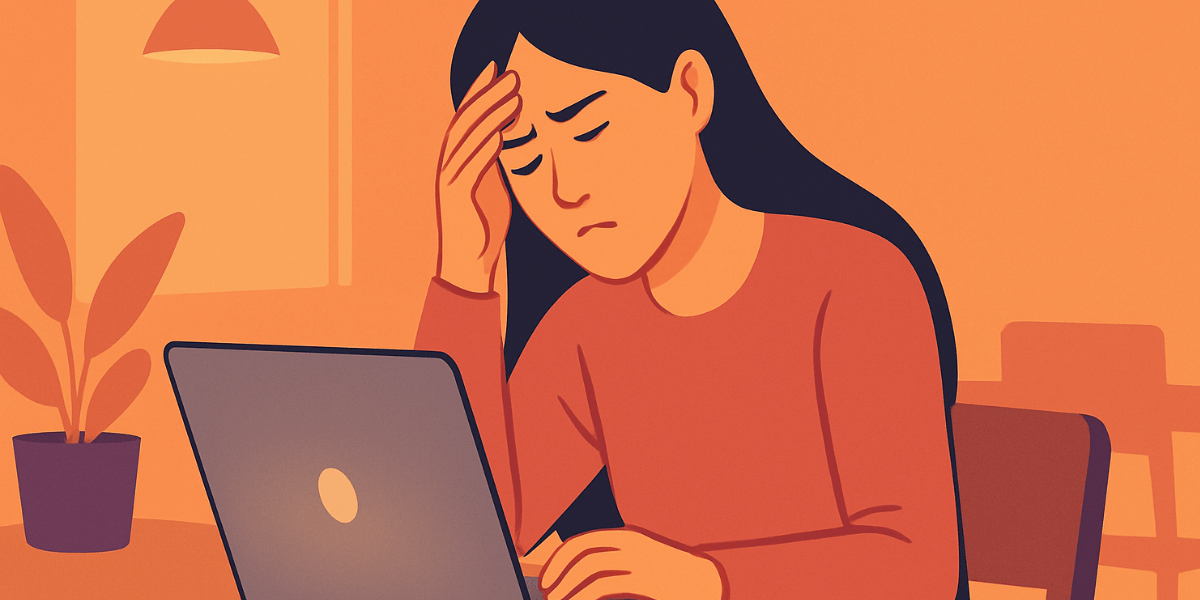
Extended isolation can amplify rumination after losses. Without social outlets, traders may internalize stress. Additionally, the quiet can sometimes heighten anxiety during volatile market conditions.
There is also the risk of overworking. The same endurance-focused environment that supports long sessions can encourage excessive screen time if not managed consciously.
Successful traders in these spaces often counterbalance café time with physical activity, social interaction, and strict session limits.
Why This Phenomenon Is Unlikely to Disappear
As long as urban density, digital trading access, and cultural emphasis on disciplined work persist, study cafés will remain attractive to traders.
In fact, some cafés have subtly adapted—offering better chairs, upgraded internet, or extended hours—without rebranding themselves as trading spaces. This quiet evolution preserves social harmony while meeting demand.
For many traders, these cafés represent an ideal compromise between isolation and structure, privacy and accountability.
Conclusion
The transformation of study cafés into informal day-trading hubs in Korea and Japan was not planned, marketed, or officially endorsed. It emerged organically from compatibility between environment and activity.
Day trading, when approached seriously, resembles intensive study more than casual speculation. It demands focus, repetition, emotional control, and a neutral workspace. Study cafés already embodied these principles.
This phenomenon highlights a broader truth: performance is shaped as much by environment as by skill. Traders who understand this seek spaces that support cognitive discipline rather than excitement.
In East Asia, study cafés quietly fulfill that role—serving students by day, traders by session, and reminding both that focus is a practice shaped by where, not just how, we work.
Frequently Asked Questions
Are study cafés officially marketed toward traders?
No. Most cafés continue to present themselves as study spaces, even if traders are common regulars.
Do café owners discourage trading?
Generally no, as long as traders follow noise and behavior rules and do not disrupt students.
Is this trend unique to Korea and Japan?
It is most visible there due to cultural study norms and urban density, though similar patterns exist elsewhere.
Do traders interact with each other in these cafés?
Rarely. The culture emphasizes silent coexistence rather than networking.
Is trading from a study café suitable for beginners?
It can be, provided beginners manage stress and avoid excessive isolation.
Will study cafés continue to evolve with trading culture?
Likely yes, though changes tend to be subtle rather than explicit.
Note: Any opinions expressed in this article are not to be considered investment advice and are solely those of the authors. Singapore Forex Club is not responsible for any financial decisions based on this article's contents. Readers may use this data for information and educational purposes only.