At first glance, K-Pop and trading seem to belong to entirely different universes. One is built on choreography, fandom, and cultural export; the other on numbers, probability, and financial risk. Yet in South Korea, these two worlds have quietly intersected. Over the past decade, K-Pop culture has played a subtle but powerful role in shaping how the first generation of Gen Z traders in Korea think about money, risk, discipline, identity, and performance.
This is not a superficial connection. The influence goes deeper than celebrity endorsements or flashy visuals. The systems behind K-Pop—training academies, competitive survival formats, online fandom dynamics, algorithmic popularity, and relentless performance metrics—have mirrored, and in some cases conditioned, the mindset with which young Koreans approach financial markets.
Understanding this cultural crossover helps explain why Gen Z traders in Korea behave differently from previous generations, why short-term trading exploded among young adults, and why emotional discipline and burnout coexist so closely in this cohort.
K-Pop as a System, Not Just a Music Genre
To understand its impact on trading behavior, K-Pop must be viewed as a system rather than entertainment. From an early age, Korean Gen Z grew up watching idol trainees compete under extreme pressure. These trainees were evaluated continuously using rankings, votes, performance metrics, and elimination rounds.
This system normalized several ideas that later translated directly into trading psychology: constant evaluation, public performance tracking, winner-takes-most outcomes, and the belief that relentless effort could compress timelines to success.
For Gen Z, success was never portrayed as linear or slow. It was portrayed as exponential. One viral moment could change everything. One breakout performance could redefine a career. This narrative maps almost perfectly onto how young traders perceive markets.
The Gamification of Performance and Its Financial Echo
K-Pop popularized a deeply gamified model of achievement. Rankings updated in real time. Fans refreshed charts obsessively. View counts, likes, and voting tallies became visible scoreboards of success.
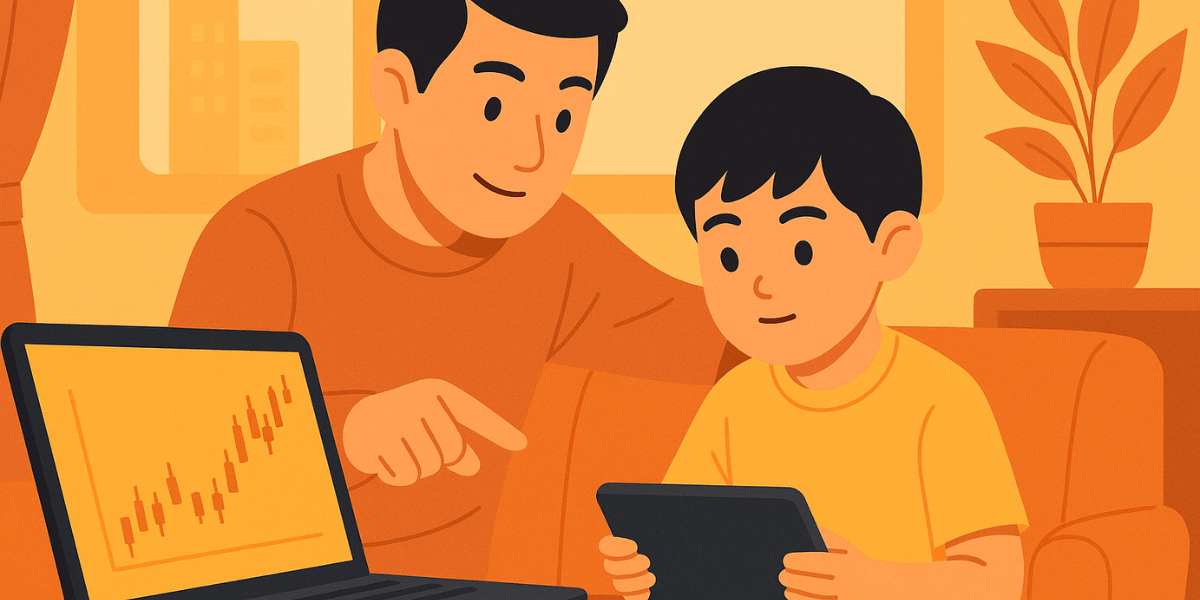
When Gen Z later encountered trading platforms—with live P&L, leaderboards, performance graphs, and instant feedback—the psychological structure felt familiar. Trading did not feel foreign; it felt like another performance arena.
This familiarity lowered the psychological barrier to entry. Risk did not feel abstract. Losses felt like temporary ranking drops rather than existential failures. Gains felt like chart climbs.
Fandom Culture and Collective Risk-Taking
K-Pop fandoms are intensely collective. Fans coordinate streaming strategies, voting campaigns, and promotional efforts across platforms. Success is framed as a shared mission.
This collective mentality translated directly into how Gen Z traders in Korea adopted markets—especially during the retail trading boom. Online forums, Telegram groups, Discord servers, and social platforms became financial fandoms.
Stocks, cryptocurrencies, and leveraged products were no longer just instruments. They became symbols of group identity. Supporting a coin or a stock mirrored supporting an idol group. Selling too early could feel like betrayal. Holding through volatility felt like loyalty.
This explains why herd behavior among young Korean traders has often been extreme—not due to ignorance, but due to cultural conditioning around collective belief and endurance.
The Training Narrative: Suffering Before Success
K-Pop relentlessly promotes a narrative of delayed gratification. Trainees endure years of obscurity, harsh criticism, and financial uncertainty before debut—if they debut at all.
Gen Z internalized the idea that suffering is not a warning sign but a prerequisite. When applied to trading, this belief became dangerous. Drawdowns were reframed as “training years.” Losses were normalized as proof of commitment.
Rather than stepping back to reassess strategy, many young traders doubled down, believing that persistence alone would eventually force success.
Acceleration Bias: Why Time Horizons Shrunk
K-Pop careers can rise overnight. Viral fancams, algorithmic amplification, and global platforms create sudden visibility. Gen Z grew up watching unknown trainees become global stars in months.
This conditioned expectations around time. When Gen Z entered trading, long-term compounding felt outdated. Slow portfolio growth felt inefficient. Why wait decades if exponential outcomes seemed possible now?
This acceleration bias fueled day trading, leverage usage, and speculative behavior. The belief was not reckless optimism—it was culturally learned pattern recognition.
Visual Culture and Chart Obsession
K-Pop is highly visual. Performance quality is assessed instantly through visuals, synchronization, and aesthetics. Gen Z traders brought this visual orientation into markets.
Charts became central objects of attention. Technical patterns, indicators, and candles provided visual narratives that felt intuitive. Price action was not just data—it was choreography.
This partially explains why Korean retail traders often gravitate toward technical analysis early, sometimes at the expense of macro or fundamental context.
Algorithmic Awareness and Market Interpretation
K-Pop fans understand algorithms deeply. They know how platforms surface content, how engagement triggers visibility, and how coordinated behavior influences outcomes.
Gen Z traders carried this algorithmic literacy into markets. They assumed markets, like platforms, were shaped by hidden systems rather than pure randomness.
This fostered both sophistication and paranoia. On one hand, it encouraged learning about liquidity, order flow, and market structure. On the other, it fueled conspiracy thinking and distrust during losses.
Status, Identity, and Financial Signaling
In K-Pop culture, identity is public. Fans signal allegiance through clothing, language, and online behavior. Success is socially visible.
Trading adopted similar signaling dynamics. Screenshots of profits, luxury purchases funded by gains, and “trader lifestyles” circulated widely on Korean social media.
Financial success became performative. This increased pressure, reduced patience, and made losses psychologically harder to accept—because failure was not private.
Burnout: The Shared Dark Side
K-Pop is infamous for burnout. Idols face mental health struggles, exhaustion, and identity crises under constant scrutiny.
Gen Z traders in Korea have mirrored this pattern. The same intensity, discipline, and obsession that fueled engagement also accelerated burnout. Sleep disruption, emotional volatility, and anxiety became common.
Many young traders quit abruptly—not because of lack of skill, but because the psychological cost became unsustainable.
Why This Generation Trades Differently
Compared to older Korean investors, Gen Z traders are more global, more platform-native, and more emotionally expressive. They trade shorter horizons, tolerate higher volatility, and rely heavily on peer narratives.
This is not a flaw—it is a cultural artifact. Their behavior reflects the systems that shaped them.
The Shift Toward Maturity
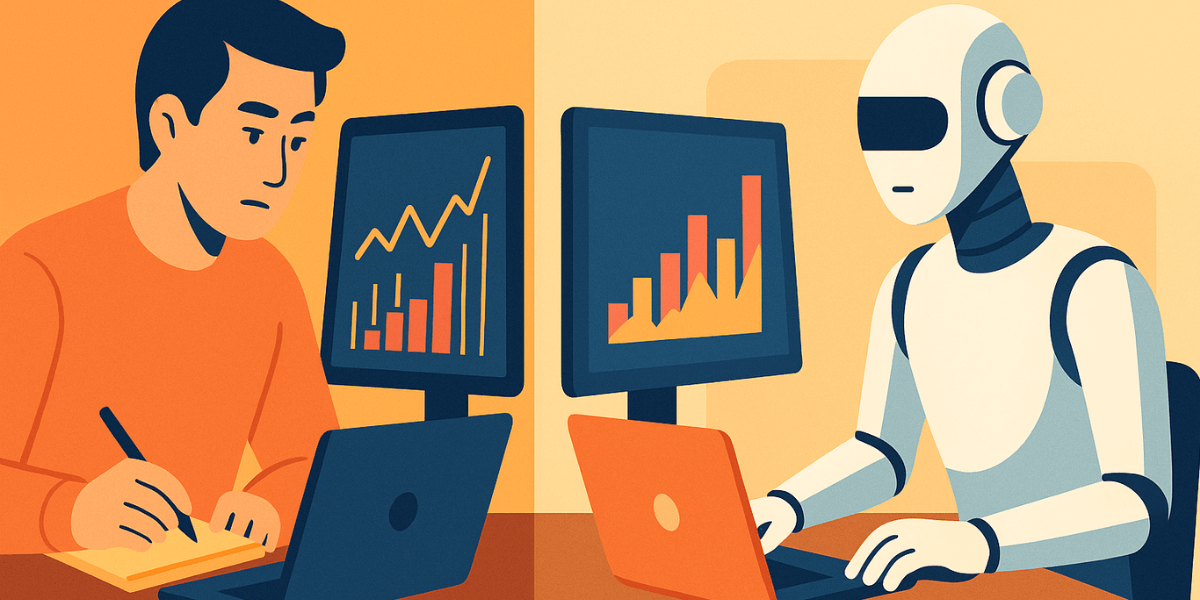
As Gen Z traders age, a noticeable shift is occurring. Many are stepping away from hyperactive trading and moving toward structured risk management, automation, and long-term strategies.
Interestingly, this mirrors the second phase of many K-Pop careers—where idols transition from survival mode to sustainability.
Conclusion
K-Pop culture did not teach Gen Z in Korea how to trade—but it taught them how to relate to performance, risk, visibility, and competition. These lessons shaped the first generation of Gen Z traders more than economic textbooks ever could.
By understanding this cultural backdrop, the behaviors of young Korean traders become less mysterious and more human. Their strengths—discipline, adaptability, and resilience—are real. So are their vulnerabilities.
The future of Korean retail trading will not be defined by rejecting these cultural influences, but by integrating them with financial literacy, psychological awareness, and sustainable frameworks for risk.
Frequently Asked Questions
Did K-Pop directly promote trading among Gen Z?
No. The influence is structural and psychological, not promotional.
Why do Gen Z traders in Korea prefer short-term trading?
Cultural exposure to accelerated success narratives shortened perceived time horizons.
Is this phenomenon unique to Korea?
It is strongest in Korea due to K-Pop’s systemic influence, though similar patterns exist elsewhere.
Does this mean Gen Z traders are reckless?
No. Their risk tolerance reflects learned frameworks, not lack of intelligence.
Will this change over time?
Yes. Many Gen Z traders are already shifting toward more sustainable models.
What can brokers or educators learn from this?
That culture shapes trading behavior as much as education or regulation.
Note: Any opinions expressed in this article are not to be considered investment advice and are solely those of the authors. Singapore Forex Club is not responsible for any financial decisions based on this article's contents. Readers may use this data for information and educational purposes only.